


How Long After Medical Will I Get An Offer?

How Long After Medical Will I Get An Offer? Contact Us Sarah John’s Legal Writer If you’ve been in an accident, it’s likely that you might find yourself asking how long will it take to get an offer. This depends on many factors, including the seriousness of your injury or illness and if you have been able to obtain any medical evidence in regard to your treatment and prognosis. If your injuries are significant and you need ongoing medical care, whether due to accident or medical negligence In Scotland, the insurer may ask that you provide medical reports from your doctor or hospital showing what treatments have been received and what their conclusions are in regard to the extent of your injuries and time off work required. Table of Contents Get In Touch With Your Local Office: With local knowledge and a national network of experts, we have the experience you can count on. Contact Us Relevant Topics: Road Traffic Accident Accidents In Public Accident at Work Medical Negligence Claims Serious Injury Claims Asbestos Claims Motorcycle Accident Claims Taxi Accident Claims Slip Trip And Fall Claims Compensation Calculator Whiplash Claims How Long Does Compensation Take After Medical? When it comes to medical negligence Scotland, it is important to ask yourself: how long after medical will I get a settlement offer? Unfortunately, there is no definite answer, as the timeline can vary significantly depending on the type of illness or injury and the complexity of your individual case. The length of time you wait for a settlement also depends on whether an insurance company is involved in the case and, if so, how quickly they respond. The most important factor that affects timing is your medical condition. Depending upon its severity and how long you have been ill or injured, it may take weeks or months for doctors to diagnose you and document your prognosis for recovery. In addition, many cases involve further paperwork that must be completed before a compensation offer after a medical report can be made. This includes obtaining statements from all relevant parties such as employers and physicians, as well as gathering evidence from other sources like medical records or test results. Do you accept the first offer of compensation? Almost always, “No” is the correct answer. An insurance company won’t give you money before you ask for it unless they think it will save them money in the long run by making them have to pay you less. Don’t assume that you’ll only receive one offer for compensation. Even if your insurer first offers a very low amount, ask for more to see if they will negotiate further. You can always accept their initial offer and then make an appeal at a later date – but don’t dismiss it out of hand unless you have good reason to think it won’t go any higher. If you decide not to accept an offer, there is no obligation on either party to make another. However, once you do sign on the dotted line and agree on a settlement figure with your insurer, it is legally binding so there is no going back! How Long Does It Take To Get A Second Settlement Offer UK? After receiving a medical report in Scotland, it can take several weeks to get a compensation second offer for your injury. If your initial offer was low or didn’t fully cover your injuries and damages, the insurer may present a second offer. The timing depends on factors like the complexity of your case and the insurer’s review process. Always consider if the second offer truly reflects your injury and recovery before accepting it. Satisfied Clients 0 K+ Dedicated Experts 0 + Client Rating 0 Compensation Recovered £ 0 + Million What Does a Second Settlement Offer Mean? A second settlement offer in a personal injury case in Scotland comes after the first offer is rejected. It’s a new proposal that reflects more detailed information or a better understanding of the injury’s impact. The first offer might not fully cover everything, like long-term effects or additional medical findings, but the second offer usually considers these. This revised offer is often the result of continued talks between the injured person and the insurance company. If the second offer seems more reasonable, you might consider accepting it, but always make sure it fully covers your needs, including any costs related to memory care. Should I accept pre-medical offers? Accepting pre-medical offers can be tricky. On one hand, you’re eager to get your hands on that money as soon as possible. But on the other hand, you might be leaving money on the table if you settle for a less-than-ideal offer. To help make sense of it all, here are three things to consider before accepting pre-medical offers: What is my out-of-pocket cost?: You should never accept an offer without understanding what your out-of-pocket costs will be. Why Might a Second Settlement Offer Happen? A second settlement offer after a car accident can happen for several reasons. Here are some common reasons for a revised offer in personal injury claims in Scotland: Initial Offer Too Low: The first offer is often lower than expected to minimise the insurer’s risk. If the claimant rejects it, the insurer may offer a second, higher offer to avoid a court case. New Evidence: As the case progresses, new evidence comes to light. This could be updated medical reports, test results or evidence of ongoing treatment. This information may increase the value of the claim, and the insurer may give a higher offer. Expert Evidence: Experts such as doctors or economists may provide further insight into how the injury affects the claimant’s life. Their opinions on future medical costs or lost wages can change the value of the offer. Extended Negotiations: The negotiation process is not static. As both sides exchange information and get to know the case better, the insurer may adjust the offer to reflect the full extent of the claimant’s injuries and
13 Myths About Personal Injury Claims Debunked

13 Myths About Personal Injury Claims Debunked Contact Us Sarah John’s Legal Writer Many people may be discouraged from making accident claims in Scotland due to the numerous myths circulating about the process’s expense, difficulty, and length. You would have the right to compensation if you were hurt in an accident that wasn’t your fault. A few common mistakes personal injury clients make are not doing their research and assuming all the myths highlighted below. The following list of compensation claims myths and misconceptions addresses some of them: Table of Contents Get In Touch With Your Local Office: With local knowledge and a national network of experts, we have the experience you can count on. Contact Us Relevant Topics: Road Traffic Accident Accidents In Public Accident at Work Medical Negligence Claims Serious Injury Claims Asbestos Claims Motorcycle Accident Claims Taxi Accident Claims Slip Trip And Fall Claims Compensation Calculator Whiplash Claims Myth 1: Minor Injuries are Not Worth a Personal Injury Claim You might not immediately be aware of the total degree of your injuries following a personal injury accident. Many injuries sustained in accidents are not immediately apparent and may worsen over time. Regardless of how serious your injuries appear; it would help if you always had a complete medical evaluation before claiming compensation. Myth 2: Making a claim will be too expensive Most personal injury claims in Scotland are made on a no-win, no-fee basis, so you won’t be required to pay your lawyer anything if your case is unsuccessful. Your lawyer will deduct a “success fee” from your settlement if your claim is successful. This sum will be a relatively modest fraction of the compensation you receive, and you should receive a clear cost breakdown that is agreed upon before the start of your case. Myth 3: People With Insurance Do Not Need a Personal Injury Lawyer Sadly, insurance providers do not always act in the best interests of accident victims. The insurance company will frequently try to pay you the least for your injury. Legal action may occasionally be necessary to make negligent parties accountable for their actions. The HD Legal Team will put in an endless effort to ensure you get the money you require to continue your life. Myth 4: Making a claim is too complicated Individuals may decide against pursuing their claim if they think it will be too difficult and stressful. Yet, the claims procedure is simple and adheres to the guidelines of the pre-action method for a personal injury claim in Scotland. Your solicitor will review the legal jargon with you to ensure you fully understand what is happening at every stage of the claims procedure. This also includes court myth busting, such as what really happens if a case cannot settle and whether you will need to attend court. You can always call a qualified legal advisor at 0141280 1112, who can let you know if you have a good case for compensation. Nevertheless, you won’t be pressured to proceed with your claim if you don’t want to. Myth 5: Making a claim will be a lot of hassle Really, this shouldn’t be the case. At HD Legal, we take pride in assisting our clients as simply as possible. We will organise as much of the procedure as possible on your behalf and progress the case. Although there may be times when we need your assistance, such as when we need more information or to see a medical professional, you should be able to trust us to handle the work on your behalf. In exchange, we will keep you informed each step of the way in straightforward English rather than legal jargon. Myth 6: Personal Injury Cases Can Be Filed at Any Time Scotland has the Limitation Act 1980 on all personal injury claims. You have three years from the accident date to bring a personal injury claim if you were hurt in an accident. It is usually in your best interest to submit a claim well before the statute of limitations runs out, even though that may seem like plenty of time. Over time, evidence and witness accounts may be lost or destroyed, making it more difficult for your solicitor to prove liability. Satisfied Clients 0 K+ Dedicated Experts 0 + Client Rating 0 Compensation Recovered £ 0 + Million Myth 7: You should never accept the first offer Insurance companies are businesses that seek to maximize their profits. The first offer they make is often lower than they are willing to pay, as they want to settle the claim quickly and inexpensively. It’s important to carefully review the offer and negotiate a fair settlement that adequately compensates you for your losses. You must do so to avoid receiving less than you are entitled to. People occasionally claim that they have heard they should never accept the first deal; just like when purchasing a used car, you should always haggle a little. There is some truth to this, but awarding compensation for personal injuries doesn’t involve pulling numbers out of thin air and hoping they seem appropriate. While evaluating the merits of any offer and determining the actual value of losses, numerous aspects must be considered. To tell you whether the offer you received from insurance is fair, HD Legal has the legal expertise and information necessary to do so. Everything will be considered when evaluating the offer accepted, from our early inspection of the accident and the pain you have experienced to the longer-term implications that injury may have on your capacity to generate money in the future. We may accept the “initial offer” if the offer on the table at that point reflects the valuation determined. If not, we suggest that you decline the offer. Insurers typically use this tactic to “buy you off” with an early, undervalued offer DEDICATED CLAIMS ADVISORS Our dedicated claims advisors are always available to offer free legal advice. 100% NO WIN NO FEE CLAIMS All our claims are processed on
Can A Car Accident Claim Be Reopened?

Can A Car Accident Claim Be Reopened? Contact Us Sarah John’s Legal Writer Going through a car accident is hard. Besides the pain and injuries, you also have to handle medical bills and try to get your life back to normal. On top of that, dealing with insurance claims can be really stressful. All you want is for it to be over so you can focus on healing. But what if, after settling your claim, you realise you might need more compensation? Maybe you didn’t know the full value of your claim, or new expenses have come up recently. So, can you reopen a car accident claim once it’s closed? In this article, we’ll explain when and how you might be able to reopen your car accident injury claim, the challenges involved, and what to expect. If you or someone you know is unsure about this, understanding your options can really help. Table of Contents Get In Touch With Your Local Office: With local knowledge and a national network of experts, we have the experience you can count on. Contact Us Relevant Topics: Road Traffic Accident Accidents In Public Accident at Work Medical Negligence Claims Serious Injury Claims Asbestos Claims Motorcycle Accident Claims Taxi Accident Claims Slip Trip And Fall Claims Compensation Calculator Whiplash Claims Can a Car Accident Claim Be Reopened After Settlement? When you settle a car accident claim, you might think the case is completely finished. But sometimes questions come up later – maybe new injuries show up, or medical bills are higher than expected. So, can a closed insurance claim be reopened UK after you’ve already agreed on a settlement? The short answer is usually no. Once you sign the paperwork and accept the settlement, the insurance company considers the case closed; that’s because signing a release means you’re giving up the right to ask for more money related to that accident. This protects the insurance company from paying twice for the same claim, which is why avoiding early settlements matters when your prognosis is still unclear. But there are rare situations where reopening the claim might be possible. For example, if new evidence comes to light or there was a mistake in the settlement paperhttps://www.hdclaims.co.uk/common-mistakes-personal-injury-clients-make/work. But these are exceptions, and reopening a claim can be tricky. Understanding the Car Accident Claims Process After a car accident, the first thing you should do is tell your insurance company right away. Waiting too long can cause problems when you try to get your damages covered. How the claim is handled depends on where you live. Sometimes, the driver at fault pays through their insurance. Other times, everyone uses their own insurance to pay for their own damages. If the accident is simple and it’s clear who’s at fault, the process is usually quick, helping you cover medical bills and car repairs. But if your injuries are serious or the other driver doesn’t have enough insurance, the money you get might not be enough. In those cases, you may need to take legal action or pursue road traffic accident claims through the courts or the Motor Insurers’ Bureau, and it’s worth acting promptly, as strict limitation periods can apply. Satisfied Clients 0 K+ Dedicated Experts 0 + Client Rating 0 Compensation Recovered £ 0 + Million Common Reasons for Reopening a Car Accident Claim? When you settle a car accident claim, you sign a release of liability. This means the insurance company and the at-fault person won’t owe you anything more. After that, the claim is usually closed. But can you reopen a car insurance claim after it’s been settled? In some cases, yes—especially if certain problems come up. No Signed Release of Liability: If you never actually signed the release form, even if you verbally agreed to the settlement, you might still have a chance to reopen your claim. Without that signed paper, the insurance company isn’t fully protected, and the settlement might not be final. This means you could potentially go back and renegotiate for a better deal or more compensation. Technical Errors in the Settlement: Mistakes happen. Maybe the settlement amount written in the paperwork is wrong, like mixing up £35,000 with £55,000. Or perhaps your name or injury details were recorded incorrectly. These kinds of technical errors can give you a valid reason to reopen the claim—even if you signed something. It’s important to spot these mistakes early and get them fixed. Payment Issues: Sometimes, even after a settlement is agreed upon, the money doesn’t arrive. If weeks pass and you haven’t been paid, and the insurer seems to avoid you or doesn’t respond properly, you might have grounds to reopen the claim. The insurance company still owes you compensation, and ignoring that could be considered bad faith. Breach of Contractual Duty by the Insurance Company: Insurance companies are meant to treat you fairly and honestly—but sometimes they don’t. If they pressure or bully you, twist the facts about your claim, ignore your calls, or skip important investigations, they’re breaking the regulations they’re supposed to follow. This kind of behaviour isn’t just frustrating—it can be a powerful reason to fight back and reopen your claim. You deserve a company that plays by the book, not one that tries to cut corners. Steps Involved in Reopening a Car Accident Claim Find the Right Lawyer: Start with a personal injury lawyer who truly understands these cases. Their expertise will help you navigate tricky rules and spot chances you might miss. Gather Fresh Evidence: Work with your lawyer to collect new proof—updated medical bills, new injury details, or anything showing errors or fraud. This fresh evidence strengthens your case. Reach Out to Your Insurance Company: Your lawyer will contact the insurer, explaining why reopening the claim makes sense. They’ll use your new evidence to push for a fair review. Be Ready for Court: If the insurer doesn’t budge, your lawyer can take the claim to court, guiding you every step until your rights are defended and
15 Common Mistakes Personal Injury Clients Make

15 Common Mistakes Personal Injury Clients Make Contact Us Sarah John’s Legal Writer Many people in Scotland use personal injury claims to seek justice and compensation after an accident. However, the road from the accident to the settlement is full of challenges and obstacles. As victims try to find their way through the legal system, they often make mistakes that can put their claims at risk. The complexity of Scottish law only adds to the confusion, and mistakes that might seem small can have major consequences. In this article, we’ll talk about the most common mistakes that personal injury clients in Scotland make and how to avoid them so that you proceed with your claim to get the compensation you deserve. Table of Contents Get In Touch With Your Local Office: With local knowledge and a national network of experts, we have the experience you can count on. Contact Us Relevant Topics: Road Traffic Accident Accidents In Public Accident at Work Medical Negligence Claims Serious Injury Claims Asbestos Claims Motorcycle Accident Claims Taxi Accident Claims Slip Trip And Fall Claims Compensation Calculator Whiplash Claims 15 Common Highlighted Mistakes Personal Injury Clients Make Here are the 15 most common mistakes that personal injury clients make during their claims. Mistake 1: Thinking A Claim Will Be Simple Personal injury claims in Scotland may seem simple. There’s an accident, someone suffers injuries, and they make a claim, but in reality, it is far from this simple. Scotland’s legal system has rules and processes that citizens must follow. Understanding how long a personal injury claim takes to settle can also help set realistic expectations about the process. Many people think that their case is clear-cut and that it will be easy to get compensation for their injuries; sadly, this rarely happens. It’s easy to feel overwhelmed by how hard it is to gather evidence, work with medical professionals, and negotiate with insurance companies. Even with the help of a lawyer, the road to a fair settlement can be filled with twists and turns. Personal injury law in Scotland isn’t for the faint of heart, and it’s important to approach it with a clear understanding of its complexities. Underestimating the process can lead to disappointment and may even prevent the victim from getting the compensation they deserve. Mistake 2: Believing you can deal direct without a lawyer In Scotland, it’s easy to think that taking care of your own personal injury claim is a simple way to save money. Many people assume their injury is so clear-cut that they don’t need a lawyer, but the risks of DIY claims can quickly lead them down a perilous path. Without a lawyer, dealing with insurance companies and court procedures can be like navigating through a maze without a map. Scottish law is complicated, and insurance companies are often ready to challenge claims. Without the expertise of personal injury solicitors Scotland, victims may find themselves overwhelmed, confused, and ultimately at a disadvantage. Choosing to go alone might seem like a good idea at first, but it can quickly lead to problems that put the compensation claim at risk. If you are thinking about handling the case yourself because you don’t want to spend extra on solicitor fees, consider using a No Win No Fee solicitor. A no win no fee claim is a good way to get justice as you don’t have to pay the solicitor fees upfront; you only have to pay your solicitor if your case is successful. Mistake 3: Trusting Insurance Companies In Scotland, insurance companies are at the centre of the world of personal injury compensation claims. Most of the time, they are the ones who pay compensation to the injured. However, putting all your trust in them is a common mistake that can have serious consequences. Insurance companies are businesses, and the primary goal of all businesses is to make money. Even though they may seem helpful and worried about your well-being, their main goal is usually to settle the Injury Claim Scotland as quickly and inexpensively as possible. Understanding the role of insurance adjusters in Scottish personal injury claims can help claimants recognise how insurers assess and value claims. In Scotland, where the legal system can be complicated, this could mean giving the victim a much smaller settlement than they deserve. Without the advice of a lawyer, people may fall into the trap of taking these low offers. Personal injury victims can avoid taking low payouts if they understand that insurance companies have their own goals. When those making claims are aware of this fact, they can negotiate with caution and attention, ensuring they get the fair compensation they deserve. Satisfied Clients 0 K+ Dedicated Experts 0 + Client Rating 0 Compensation Recovered £ 0 + Million Mistake 4: Failing to keep key evidence Having the right evidence to support your case is one of the most important parts of a good personal injury claim in Scotland. However, claimants often make the mistake of ignoring this important fact and not keeping key evidence. The time after road traffic accidents or any type of accident can be confusing and stressful, but it’s important to gather and keep evidence like photos, witness statements, and medical records; keeping the right injury claim documents can make or break a claim. Without them, it’s hard to show how bad the injuries are and how they relate to the accident. In Scotland’s court system, where the burden of proof lies with the victim, missing evidence can lead to a weak case and less compensation. Understanding the importance of evidence and taking steps to gather and preserve it as soon as possible sets the foundation for a strong claim. Whether it’s a slip on the pavement or a car accident, keeping track of the important details helps the legal process in Scotland proceed smoothly and gives the victim the best chance of getting a fair resolution. Mistake 5: Not Consulting With An Qualified Personal Injury Lawyer In Scotland,
How Dash Cams Can Prove Fault in a UK Road Traffic Accident?
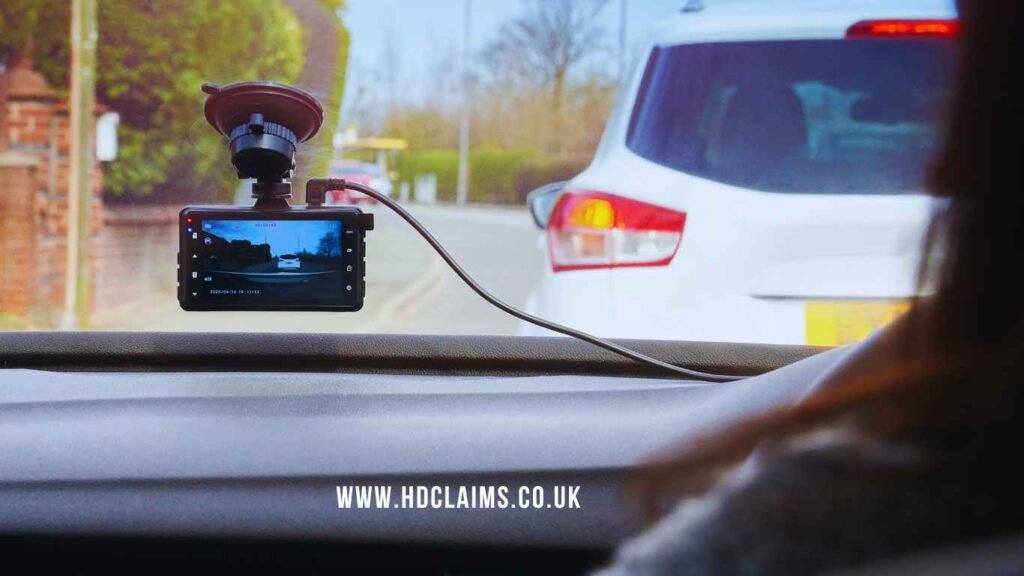
How Dash Cams Can Prove Fault in a UK Road Traffic Accident? Contact Us Sarah John’s Legal Writer Dashcams are becoming increasingly popular among drivers in Scotland. These handy little devices provide an objective eye on the road, capturing accidents that might otherwise be missed. But how can you use this technology to aid in a Road Traffic Accident claim? In this article, we’ll explore dashcams in detail: what they are, their legality, and how can you use the dashcams properly to make an RTA Claim. We’ll also delve into the potential downsides of using dashcams and discuss whether or not you need to inform your car insurance about them. Table of Contents Get In Touch With Your Local Office: With local knowledge and a national network of experts, we have the experience you can count on. Contact Us Relevant Topics: Road Traffic Accident Accidents In Public Accident at Work Medical Negligence Claims Serious Injury Claims Asbestos Claims Motorcycle Accident Claims Taxi Accident Claims Slip Trip And Fall Claims Compensation Calculator Whiplash Claims What Is A Dashcam? A dashcam, short for a dashboard camera, is a small video recording device that you can fit onto your car’s windscreen or dashboard. It’s a bit like a CCTV for your vehicle. When you drive, your dashcam records everything happening on the road ahead and sometimes even behind, depending on your model. This means it can capture accidents that might occur while you are driving on the road. It’s becoming a popular tool among drivers who want to have a reliable record of events in case of a dispute or an accident claim. So, in a nutshell, a dashcam is your own personal eyewitness on the road, always ready to capture the unexpected. Even if there is no one around to provide a witness statement, your dashcam footage will be enough as proof of the accident. This can help when you claim compensation for your injuries or damages to your vehicle. How To Send Dashcam Footage To Insurance Company? Infographic Are You Allowed To Use Dash Cams? Absolutely! In Scotland, you can install dash cams in your car as and when you like; there are no specific licences required, but drivers must follow safety and data protection rules. These cams are often used by drivers who want to document their journeys and provide solid evidence in case of a car accident. However, it’s important to ensure that your dash cam doesn’t block your view of the road; otherwise, it is illegal. It must be fitted correctly on your windscreen or dashboard so it doesn’t obstruct your ability to drive safely. Always remember, safety comes first! So, feel free to use a dash cam for peace of mind on the road. It’s well within your rights as a driver. Can I Use Dash Cam Footage As Evidence In A Road Traffic Accident? Yes, you certainly can! Dash cam footage can be used as evidence in a Road Traffic Accident (RTA) in Scotland. If you’re unfortunate enough to be involved in an accident, the video recorded by your dash cam could be crucial. They are a bit like CCTV cameras in that they record footage onto an internal SD card. Plus, the video, like CCTV footage, is stamped with the date and time, which helps prove when the accident happened. This timestamping also makes it hard for anyone to tamper with the recorded evidence. It provides a factual and impartial record of what actually happened, which can help sort out who was at fault. This is particularly useful when different people involved in the accident are telling different or conflicting stories. Dashcam footage, just like police reports, can be strong evidence in personal injury claims and can help you claim injury compensation for all your injuries. Satisfied Clients 0 K+ Dedicated Experts 0 + Client Rating 0 Compensation Recovered £ 0 + Million How Are Dashcams Helpful For a Road Accident Claim? Dashcams can be incredibly helpful for a Road Accident Claim in Scotland. Let’s think about this: when an accident happens, sometimes it’s tricky to work out who was at fault. Maybe there are no witnesses, or maybe the people involved remember things differently; this is where a dashcam comes in handy. Dashcam footage gives you a clear, unbiased record of what happened, making gathering evidence early much easier. It can show the actions of drivers, pedestrians, and even the road conditions at the time of the accident. This evidence can be used to help decide who was at fault. In some cases, the footage might even show that an accident wasn’t your fault at all. This could help you avoid points on your licence and a potential increase in your insurance premium. What Are The Disadvantages Of Dash Cams? While dash cams can be extremely useful in a road accident claim, they also have some downsides. Firstly, they can be a bit of a bother to install, and you need to make sure they’re set up correctly so they don’t obstruct your view. They must not get in the way of your safe driving. Also, dashcams only record what’s in their field of view. If an accident happens outside this range, it might not be captured. Some dash cams only record the road ahead, so they might miss something happening at the side or behind your car. There’s also the issue of privacy. Some people might not be happy about being recorded without their knowledge. In Scotland, it’s legal to record in public, but it’s good to be aware of this concern. The footage can also be used against you in situations where you believe you weren’t at fault, but you actually were. The footage can also be hard to interpret sometimes; for example, it might not clearly show who was at fault in a complex situation. Finally, there’s a small chance that a visible dash cam might attract a thief. You might need to remove it whenever you park your car,
How To Protect Yourself From Road Accidents?

How To Protect Yourself From Road Accidents? Contact Us Sarah John’s Legal Writer Staying safe on Scotland’s roads starts before you turn the key. Traffic in towns and cities can be busy, while single-track routes and Highland passes come with their own challenges. This guide explains simple and practical ways to prevent road accidents that suit everyday driving across Scotland. Simple habits can help prevent accidents in challenging Scottish weather, such as rain, ice, or low bright sunshine that can dazzle through the windscreen. We will cover how to stay calm, keep a safe speed, and leave enough space between vehicles on motorways, A-roads, and country lanes. We will also note how to plan for fast-changing weather and long dark evenings. If you are involved in an accident, we will explain what to do to stay safe and collect the right details. We will touch on the help available in Scotland, including help with Road Traffic Accident Claims, so you understand your choices. Read on for practical steps you can use today. Table of Contents Get In Touch With Your Local Office: With local knowledge and a national network of experts, we have the experience you can count on. Contact Us Relevant Topics: Road Traffic Accident Accidents In Public Accident at Work Medical Negligence Claims Serious Injury Claims Asbestos Claims Motorcycle Accident Claims Taxi Accident Claims Slip Trip And Fall Claims Compensation Calculator Whiplash Claims Why Road Safety Matters More Than Ever In 2024, there were 5,576 casualties on our roads, including 160 people who sadly lost their lives, so every good habit that helps reduce the risk of accidents matters. These figures remind us that daily choices add up to safer journeys for everyone. Rural routes remain a particular concern because higher speeds increase the chance that mistakes become fatal. Give yourself time, look well ahead for bends and hidden junctions, and be ready for sudden changes such as animals, farm vehicles, or narrow passing places. Speeding is also a serious problem on town and city streets. In 2024, about 43 per cent of drivers went over the speed limit on 30 mph roads, which are the same roads used by people walking and cycling. Sticking to the limit gives you more time to react, helps you see dangers sooner, and makes a real difference in keeping everyone safe. Shocking Statistics About Road Traffic Accidents In The UK In 2024, road safety in Great Britain showed both progress and ongoing risk. There were 1,602 deaths and 29,467 seriously injured, for a total of 128,272 casualties of all severity levels. Scotland accounted for a smaller share of the total, yet the impact remains significant. In 2024, there were 5,576 casualties in Scotland, and fatalities rose from 147 in 2023 to 160. The numbers also show that risk remains high per mile driven. Great Britain recorded 4.7 deaths for every billion vehicle miles in 2024, slightly better than 2023 but still far from safe. Keeping to safe speeds and paying close attention to the road are the simplest ways to make every journey safer. Common Causes Of Road Accidents You Can Avoid Most crashes start with simple human mistakes. Police data show that failing to look properly is the most common factor in reported collisions, with negligence or being in a hurry also high on the list, so unhurried scanning of the road and clear signalling go a long way. Plan your moves early and keep space so others can see what you want to do. Speeding and driving too close to other vehicles greatly increase the risk of serious crashes. In Scotland, actions such as travelling too fast for the conditions, tailgating, or breaking the speed limit are involved in about one in five fatal collisions. Choosing a gentler pace is a practical road accident prevention that really can reduce the risk of accidents. Distraction and fatigue also erode judgment. Put the phone out of reach, keep music at a level that lets you hear the road, and take regular breaks on long drives along A-roads or single-track routes. Small steps like these help you stay alert and reduce the risk of accidents in all seasons. Top 5 Ways To Protect Yourself From Road Accidents Keep your speed steady and pay attention to the road. Follow the speed limit and leave plenty of space between your car and the one in front. Slow down early for bends, hill brows, and villages on rural roads so you have time to react safely to anything unexpected. Stay focused and reduce distractions. Put your phone away, keep conversations calm and short, and scan mirrors and the edges of the road every few seconds. On single-track roads, use passing lanes properly by pulling in to allow oncoming vehicles to pass, waiting until the road is clear, and then moving off safely. Keep an eye out for cyclists, horseback riders, and deer, particularly around bends or in wooded areas. Prepare your car before you set off. Check tyre pressure and tread, lights, wipers, and screenwash, and set mirrors to reduce blind spots. In winter, pack extra warm clothes or a blanket, along with a torch and a small first aid kit, so you are ready if you have to wait for help. Plan your trip and rest in time. Choose to travel in daylight where possible, and allow extra time for weather and tourist traffic. Stop every two hours and swap drivers if possible so your mind stays sharp. Know what to do if a crash happens. Stop at once and do not consider driving away from an accident, then make the scene safe and exchange insurance details with other drivers (if there are any other drivers involved in the accident). Call 999 if anyone is hurt and report the accident to Police Scotland and your insurer as soon as you can Satisfied Clients 0 K+ Dedicated Experts 0 + Client Rating 0 Compensation Recovered £ 0 + Million How To Protect Yourself During
What Is The Speed Limit On The A9 Road? & Why Dangerous

What Is the Speed Limit On The A9? Contact Us Sarah John’s Legal Writer The A9 Perth to Inverness, is a major road in Scotland that runs from the city of Perth to Inverness. It is one of Scotland’s busiest roads and one of the most dangerous. In 2022, there were 1,233 accidents on the A9, resulting in 10 fatalities and 250 serious injuries. If you have suffered injury or illness in an A9 accident and believe it was due to someone else’s negligence, contact us. Our network has many excellent Solicitors specialising in personal injury claims Scotland. They have helped numerous clients with their Car accident claims in Scotland, and they can also assist with your claim. They will make sure you get the maximum amount of compensation for your injury, whether it’s a major injury or a minor injury. Table of Contents Get In Touch With Your Local Office: With local knowledge and a national network of experts, we have the experience you can count on. Contact Us Relevant Topics: Road Traffic Accident Accidents In Public Accident at Work Medical Negligence Claims Serious Injury Claims Asbestos Claims Motorcycle Accident Claims Taxi Accident Claims Slip Trip And Fall Claims Compensation Calculator Whiplash Claims Speed Limit Significance And Importance: The national speed limit is a legal requirement that all motorists must obey. Its purpose is to keep drivers safe and to reduce the risk of accidents. The A9 Scotland speed limit is different on different sections of the road; on single-carriageway sections, the speed limit is 60 mph for cars and motorcycles. On dual carriageway sections, the speed limit is 70 mph. There are also some sections of the A9 where the speed limit is lower, such as in built-up areas or near school areas. Speed Limits In Urban Areas On The A9 One of the main urban areas along the A9 is Inverness, where the speed limit is generally 30 mph. This is because there is more traffic in urban areas, and the roads are usually narrower as well. It is important to obey the speed limit on A9 in urban areas to reduce the risk of accidents. Speed Limits In Rural Areas On The A9 In rural areas on the A9, the speed limit is 60 mph for cars and motorcycles. This is because the roads are wider and straighter in rural areas, and there is less traffic. However, when passing through small villages along the A9, such as Crieff, Dunkeld, Pitlochry, Dalwhinnie, Grantown-on-Spey, Kingussie, and Aviemore, the speed limit is reduced to 30 mph. It is essential to be aware of and follow the A9 speed limit 2023 in rural areas to avoid accidents. Speed Limits Near Built-Up Areas On The A9 Near built-up areas on the A9, the speed limit is 30 mph. This is because Built-up areas on the A9 have a high concentration of buildings and other structures. These areas are typically more congested than rural areas, with more pedestrians and cyclists on the roads. It is important to obey the speed limit near built-up areas on the A9 to reduce the risk of accidents. Speed Limits Near Roadworks On The A9 Near roadworks on the A9, the speed limit is 40 mph. This is because roadwork can be dangerous, and the speed limit is lower to help keep drivers safe. It is essential to obey the speed limit near roadworks on the A9 to reduce the risk of accidents. Speed Limits For Heavy Goods Vehicles On The A9 The speed limit for heavy goods vehicles (HGVs) on the A9 is 50 mph. This is because HGVs are more challenging to control at high speeds and can cause more damage in an accident. It is important to obey the speed limit for HGVs on the A9 to reduce the risk of accidents. What About Signing For The A9 Average Speed Cameras? A9 inverness speeding concerns are a significant issue, especially with the implementation of average speed cameras on the A9. These cameras work in groups of two or more and record the time a vehicle travels between two points; if the vehicle exceeds the speed limit, it will get a speeding ticket. The average speed cameras A9 are clearly signed, and in some sections of the road, there are repeat signs, so there is no excuse for speeding in these areas. The signs usually state the speed limit, the distance between the cameras, and the penalties for speeding. Satisfied Clients 0 K+ Dedicated Experts 0 + Client Rating 0 Compensation Recovered £ 0 + Million Why Is The A9 So Dangerous, And What Do Motorists Need To Be Aware Of? A9 is one of the most dangerous roads in Scotland for a number of reasons, some of which are as follows: Narrow and winding sections: The A9 is a single-carriage road for much of its length, meaning there is only one traffic lane in each direction. This can make it difficult for slower vehicles to pass and can lead to faster vehicles doing dangerous overtaking manoeuvres. In addition, some sections of the road are narrow and winding, making it difficult to see around corners and judge the distance of oncoming traffic. High winds and fog: The A9 road passes through a mountainous region, and that’s why it is prone to high winds and fog. These conditions can make it difficult to see the road ahead and can increase the risk of accidents if you are not careful. Wildlife crossings: The A9 passes through areas of high wildlife density; this includes deer, sheep, and cattle. These animals cross the road frequently; this can be dangerous for motorists, as it can cause various accidents. However, these factors alone don’t make the A9 the most dangerous road in Scotland. In fact, the majority of accidents on the A9 were due to driver mistakes rather than due to road conditions. For example, many accidents occur due to motorists trying to overtake in unsafe conditions or by driving
How Long Does A Car Insurance Claim Take To Settle UK?

How Long Does A Car Insurance Claim Take To Settle UK? Contact Us Sarah John’s Legal Writer Car accident claims can take between 12 and 18 months to settle. There is no definite answer to how long car accident claims take to settle, but as a rule of thumb, it is common for these claims to take around a year to a year and a half. However, the average time for settling car accident claims in Scotland ranges from a few months to several years. The length of time depends on the circumstances surrounding the accident, the severity of the injuries, and the complexity of the claim. Table of Contents Get In Touch With Your Local Office: With local knowledge and a national network of experts, we have the experience you can count on. Contact Us Relevant Topics: Road Traffic Accident Accidents In Public Accident at Work Medical Negligence Claims Serious Injury Claims Asbestos Claims Motorcycle Accident Claims Taxi Accident Claims Slip Trip And Fall Claims Compensation Calculator Whiplash Claims How Long Do Insurance Claims Take? Every situation is unique, so it is difficult to estimate precisely how long an insurance claim will take, but a simple post-accident checklist can help you gather what insurers need faster. Getting in contact with your insurance and requesting an estimate of how long it could take, depending on your circumstances, is the best thing you can do. The time it takes to handle things can vary depending on things like who was responsible, the severity of the damage, and how complicated the claim is. To have a better understanding of what to anticipate, it is always wise to ask your insurer straightforward questions. If My Car Is Written Off, How Long Before I Get Paid Out In The UK? Many individuals question, “If my car is written off how long before i get paid out uk?”—it depends on a few factors. The key determinants are the complexity of the case and the extent of damage the insurance company must pay for. For instance, your claim can be paid in around one week if the damage is just cosmetic—a few bumps. However, it might take up to a month if your vehicle is written off and you have comprehensive insurance. This is so because the insurance provider will have to decide on the value of your vehicle. Usually, after evaluating the damage, they will determine the payment amount depending on the value of the car. Depending on your coverage, they might even have to collect the vehicle before paying you out. The tricky part is that any dispute about who caused the accident might cause delays even more. Insurers can disagree on who is accountable, which can cause months of delay in the process. If you are judged to be at fault, you might not get your excess back. Still, the key is to provide as much unambiguous information about the situation as you can. Be honest with your insurer and ensure you have all the information; this will assist in expediting matters. Provide Accurate Details About The Accident When handling car accident claims, it’s crucial to provide accurate and honest information about what transpired. Add details about the location, weather, and any damage done. Leave nothing out or attempt to change the facts; this will either slow things down or maybe even nullify your claim. Accurate information enables your insurer to do all tasks quickly and prevent needless delays. Follow Up Regularly With Your Insurer Make sure you follow up with your insurance every so often to help things move along. If they need additional information or haven’t updated you, a brief phone call or email might remind them. Maintaining contact shows your seriousness about your claim and may expedite the procedure, therefore preventing you from being kept waiting around more than necessary. Cooperate Fully With Claims Adjusters Be as cooperative and responsive as possible when a claims adjuster contacts you. Clearly answer their enquiries and provide any further information they need. The more cooperative you are, the faster they will evaluate your case and move things forward. Being sluggish or difficult will just postpone your claim; hence, be neat and on top of things to expedite the procedure. Satisfied Clients 0 K+ Dedicated Experts 0 + Client Rating 0 Compensation Recovered £ 0 + Million What Factors Could Affect How Long A Claim Takes? Complexity Of The Accident Or Claim Car insurance claims aren’t always straightforward. It might take more time to figure out a complicated accident, such as one with many cars involved or with unclear liability. The more information the insurer must find out about, the slower the procedure will be, and timelines can extend further if the claim goes to court. The simpler the matter is, the quicker the claim should be; if there are injuries or disagreements over damages, it might postpone things even more. Availability Of Required Documents Not having certain documents available might cause delays if your insurance requires them—accident reports, pictures, medical records, etc. Make sure you have everything they may possibly want early on. The claim can be handled faster if you quickly provide the right papers. Organising helps to speed things up, as missing or incomplete records may slow down the whole process. Insurance Company’s Processing Time One of the biggest factors in how long does an insurance claim take is the insurance company itself. While some insurers might take more time, others are faster in managing claims. Their workload, the complexity of the case, and their speed of evaluation of all the data typically determine the duration. If they are backed up or slow to react, your claim may settle more slowly. Disputes Over Liability The claim procedure might be considerably slowed down in case of a dispute over who caused the accident. When insurers cannot agree, it might take more time to determine who should pay the damages. Sometimes, the problem can even demand that you seek assistance from No
Can I File A Personal Injury Claim Without A Lawyer?

Can I File A Personal Injury Claim Without A Lawyer? Contact Us Sarah John’s Legal Writer How to Claim By Yourself (The Process) Notifying the Insurer About the Accident: Sharing Injury Details and Evidence of Damages Attending a Medical Assessment Organised by the Insurer: Reviewing the Insurance Company’s Settlement Offer If you’ve been hurt and want to seek compensation, you may be wondering whether you really need to hire a personal injury lawyer. The truth is, you do not have to. You have every right to manage your personal injury claim without a solicitor. It can seem tempting, especially if you want to save litigation fees or if the injury appears minor. However, many pitfalls of self-representation can make entering the claims procedure without experienced assistance difficult and even harmful. By going it alone, you will communicate directly with the insurance company. That may sound simple, but keep in mind that insurance companies are always trying to pay out as little as possible. That is why many people choose to have a personal injury solicitor on their side. These professionals are familiar with the claims procedure and can assist you in obtaining a fair settlement that adequately compensates you for your damages and injuries. It is possible to handle a claim on your own, but you must first understand the process and recognise when you may need further assistance. If you decide to go this path, be prepared to gather the necessary proof, understand the value of your claim, and negotiate carefully. However, if you want to make sure that you do not miss out on any potential compensation, speaking with a personal injury lawyer can make all the difference. After all, with experienced guidance, you’re more likely to receive a greater settlement and avoid costly mistakes along the way. Table of Contents Get In Touch With Your Local Office: With local knowledge and a national network of experts, we have the experience you can count on. Contact Us Relevant Topics: Road Traffic Accident Accidents In Public Accident at Work Medical Negligence Claims Serious Injury Claims Asbestos Claims Motorcycle Accident Claims Taxi Accident Claims Slip Trip And Fall Claims Compensation Calculator Whiplash Claims Making a Personal Injury Claim Directly Through an Insurer If you opt to handle your personal injury claim without a lawyer, you will deal directly with the insurance company. For some people, this can work well, especially if the case is simple. However, many others quickly discover that the process is not as simple as it appears. When considering how to make a personal injury claim yourself UK, you must be prepared for the hurdles that lie ahead. One of the biggest challenges when making a personal injury claim without solicitor is knowing exactly what you can claim for. Without expert assistance, you may be unaware of the difference between general and special damages, potentially resulting in missing out on compensation for some damages. Furthermore, understanding what evidence you require and how to gather it can be difficult, especially if you have never dealt with personal injury claims before. Another issue is negotiating with the insurer. Insurance companies are experts at minimising compensation, and without legal representation, you may struggle to get a reasonable settlement. Even if your case is strong, you may face denials of liability. All of these problems might make the process frustrating and leave you wondering if you’re getting the compensation you deserve. Understanding the Personal Injury Claims Process Without Solicitor If you decide to handle your injury claim on your own, you must strictly adhere to the procedure. A personal injury claim without lawyer can be possible, but you must first understand the steps involved. Start by contacting the insurance and giving documentation of your injuries and damages. As you move forward, you may encounter obstacles such as poor settlement offers or delays. Knowing how to make a personal injury claim without a lawyer will help you avoid these obstacles. Notifying the Insurer About the Accident: The first step in understanding the personal injury claims process without a solicitor is to notify the insurer of the accident. You must submit important information, such as the date and location of the accident, as well as how it happened. This information allows the insurer to start the process of analysing your claim. Sharing Injury Details and Evidence of Damages Next, you’ll need to describe your injuries and how they’ve affected your life. This is about more than simply what happened; it’s also about how it affects you. You will also need to show evidence of any financial damages, such as medical bills, medicine receipts, and lost wages. These records allow the insurer to see the big picture, ensuring you receive the compensation you deserve for both the physical and financial costs of the accident. Attending a Medical Assessment Organised by the Insurer: During the claims process, the insurance company may request that you consult a doctor of their choosing for a medical evaluation. This is to confirm the extent of your injuries and how serious they are. While it may feel a bit intimidating, think of it as a necessary step to ensure your injuries are properly understood and documented—helping you get the right compensation for your recovery. Reviewing the Insurance Company’s Settlement Offer After reviewing all the information, the insurer will issue a settlement offer. At this point, you must decide whether to accept the offer or try to negotiate a better price. It is important to carefully consider if the offer completely covers your injuries and financial damages. If you’re unsure, it might be wise to seek legal advice before making a decision. Satisfied Clients 0 K+ Dedicated Experts 0 + Client Rating 0 Compensation Recovered £ 0 + Million Tactics Insurers Might Use to Limit Your Compensation? When dealing with an insurance company after an accident, keep in mind that they are businesses that are focused on protecting their profits. To do this, insurers may use a variety of strategies
8 Leading Causes of Road Traffic Accidents You Should Know

8 Leading Causes of Road Traffic Accidents You Should Know Contact Us Sarah John’s Legal Writer On roads across Scotland, road traffic accidents still cause harm and disruption for many families. In 2023, UK police recorded over 140,000 casualties from road collisions, with more than 25,000 classed as serious or fatal. Drivers, cyclists, pedestrians, and motorcyclists share a duty to keep safety in front of their minds. Some crashes cannot be avoided, but many can be prevented with simple choices and steady habits. This guide looks at the main causes of car accidents and shows how to reduce the risk with practical accident prevention tips. We will cover distraction, tiredness, drink and drugs, and the role of speed limits in daily driving. We will also explain how exceeding the speed limit and driving too close to other vehicles increases risk on both urban and rural roads. If you need help after an Injury Claim In Scotland, you can find useful information about Road Traffic Accident Claims Scotland and the immediate steps after a crash later in this article. Table of Contents Get In Touch With Your Local Office: With local knowledge and a national network of experts, we have the experience you can count on. Contact Us Relevant Topics: Road Traffic Accident Accidents In Public Accident at Work Medical Negligence Claims Serious Injury Claims Asbestos Claims Motorcycle Accident Claims Taxi Accident Claims Slip Trip And Fall Claims Compensation Calculator Whiplash Claims What Are The Main Causes Of Road Traffic Accidents? 1. Driver Distraction: The Leading Cause of Road Collisions Driver distraction is a leading contributory factor and one of the main causes of road accidents on both urban and rural roads in Scotland. It can affect anyone who drives, rides a cycle, or walks near traffic. Staying focused protects you and everyone around you. Common distractions include mobile phones, in-car audio systems, children who need attention, and backseat advice that takes your mind off the road. In Scotland, it is illegal to hold a phone or a sat nav while driving, even when you are stopped at lights or in a queue. The penalty is 6 points and a £200 fine, and new drivers within two years can lose their licence. A quick look at a screen can be enough to cause fatal accidents, so treat every message as something that can wait. If you need to check your phone, find a safe place to stop off the road, turn off the engine, and remove the keys. The same rule applies to setting a route or changing music. Set yourself up to avoid temptation before you start driving. Switch the phone off or use driving modes that silence alerts, and send calls to voicemail. Keep the device out of reach, and set your sat nav and playlist before the journey begins. Ask passengers to help you focus, not distract you. If children need help, pull over somewhere safe and sort things out before you continue. Small choices like these decrease distractions and lower the risk of a crash. 2. Speeding and Reckless Driving: Speeding and reckless driving remain a major cause of serious accident on Scotland’s roads. RoSPA data shows that inappropriate speed contributes to about 11 per cent of injury crashes and around a quarter of fatal collisions. Every road traffic collision at high speed carries greater force and a narrower margin for error. Remember that limits mark the maximum, not the target. Good road safety means matching your speed to weather, traffic, road curves, and surface grip, especially on rural single carriageways. Many crashes start with someone traveling too fast for what the road allows. Keep both distance from the other vehicles and speed under control. Use the two-second rule and double it in rain, fog, or in icy weather. Leaving this gap helps you spot obstacles early and stop smoothly when needed. Make it a habit to check your speed often and look out for junction and speed limit signs. When there are street lights and no signs, assume the limit is 30 mph. Driving in third gear at this speed helps you stay smooth and avoid going over the limit. The numbers tell a clear story, and they are avoidable. In 2023, exceeding the limit was linked to 5,072 crashes, and driving too fast for conditions was a factor in 3,717. Choosing the right speed helps avoid common accident causes and protects everyone on the road. Satisfied Clients 0 K+ Dedicated Experts 0 + Client Rating 0 Compensation Recovered £ 0 + Million 3. Driving While Fatigued: Driving while tired is a real risk on Scotland’s roads. About one in five crashes involves driver fatigue as a contributing factor, which slows reactions and blurs judgment. That puts you and other road users in danger. Long rural drives, late shifts, and dark winter mornings can make any driver feel sleepy. Plan your trip with breaks, share the driving with someone else when you can, and keep the car well ventilated. Listen to early signs of tiredness like yawning, uneven speed, or drifting out of your lane. If sleepiness starts, stop in a safe place away from traffic. Do not use a motorway hard shoulder unless it is an emergency. Have a coffee or another caffeinated drink, take a short nap, then give yourself a few minutes to fully wake up before you start driving again. Simple habits reduce tiredness-related causes of accidents. Aim for good sleep, avoid heavy meals or alcohol before long trips, and take a break every two hours. 4. Driving Under the Influence of Alcohol or Drugs Driving under the influence is one of the common causes of road accidents in Scotland. It remains a common factor in serious injuries and deaths on our roads. NHS figures show that thousands were killed or hurt in a single year in accidents where at least one driver was under the influence. The safest choice is not to drink at all if you plan to drive.