


What Is Rta Personal Injury Claim?

What Is RTA Personal Injury Claim? Contact Us Sarah John’s Legal Writer Facebook X LinkedIn An RTA personal injury claim is typically based on the pain and suffering endured by the injured party (general damages) and any financial impacts the accident has had (special damages). If you can prove liability, you may have a claim. The injured party seeks compensation for injuries experienced in road traffic accident claims in Scotland that were not their fault in the context of an RTA personal injury claim. You might be entitled to compensation if you were harmed in an RTA because of someone else’s negligence, provided you act within the claiming time limits. The compensation may cover a range of damages and expenses, such as: Medical bills Loss of income Pain and suffering Any other connected expenses Table of Contents Get In Touch With Your Local Office: With local knowledge and a national network of experts, we have the experience you can count on. Contact Us Relevant Topics: Road Traffic Accident Accidents In Public Accident at Work Medical Negligence Claims Serious Injury Claims Asbestos Claims Motorcycle Accident Claims Taxi Accident Claims Slip Trip And Fall Claims Compensation Calculator Whiplash Claims What Is An RTA Accident? An RTA accident occurs when someone is injured on a road or in a public place in Scotland. It typically involves a collision between vehicles, or between a vehicle and a pedestrian, cyclist, or other road user. The important part is that another person was negligent or violated the rules of the road, which caused the accident. If you are injured in this type of accident and it was not your fault, you can make an RTA personal injury claim. This can include being hit at a junction, being struck while crossing the road, or being involved in a car accident as a passenger. In these cases, you may be able to recover compensation for your injuries and financial losses. What Should You Do After The RTA? Stay calm and call for help: Check yourself and others for injuries and call for emergency services if required. Also, inform the police of the accident and stay on the scene until they arrive. Exchange information: Obtain contact and insurance details from the other driver(s) involved in the accident and any witnesses who may have seen what happened. Take photos of the accident scene, vehicle damage, and any injuries you sustained. Seek medical attention: Although you might feel okay, seeking medical attention after an RTA is still necessary. Some injuries may not show up immediately, and a medical professional can help diagnose and document any injuries you sustained. Notify your insurance company: Report the accident to your insurance company as soon as possible, providing them with the necessary information, and avoid admitting fault. Call our Panel of RTA solicitors: If you have suffered injuries or damages, consider consulting with a personal injury lawyer. We can help you understand your legal rights, guide you through the RTA personal injury claims process, and help you maximise your compensation. What Is The Process For Making An RTA compensation Claim? The process for making an RTA injury compensation claim can vary slightly depending on the type of your accident, but here is a general guide that should help you understand the basic steps involved: Collect evidence: The first step in preparing an RTA compensation claim is gathering as much accident evidence as possible. These may contain accident photos, witness accounts, police reports, and medical records. Make a claim: Your lawyer will help you sue the perpetrators of the accident. They will issue a claim letter to the other party or their insurance company. Negotiate a settlement: The opposing party or their insurance company may offer you a settlement after receiving your letter of claim. Your lawyer will negotiate with them to get you the finest deal and try to keep the settlement timeline as short as possible. Go to court: If a settlement cannot be reached, your case may go to court. Your lawyer will represent you in court and fight on your behalf. It’s always best to seek the advice of a qualified personal injury lawyer who can guide you through the process and ensure you get the compensation you deserve. Satisfied Clients 0 K+ Dedicated Experts 0 + Client Rating 0 Compensation Recovered £ 0 + Million How Long Does An RTA Personal Injury Claim Take? The time it takes to resolve an injury claim can vary greatly. It could take longer depending on the following: The type of accident you were involved in, e.g., a road accident or medical negligence. The severity of your injuries and the length of time it will take you to heal. The evidence required by your lawyer to present your case. Who are you making a claim against? The opposite party’s acceptance or denial of liability. Listed below are a couple of types of accidents you could have been involved in and how long it will take to resolve the personal injury claim Scotland: Workplace Accident: 5-12 months Road Traffic Accident: 4-11 months Public Liability: 7-12 months Medical Negligence: 10-34 months Industrial Disease: 10-18 months DEDICATED CLAIMS ADVISORS Our dedicated claims advisors are always available to offer free legal advice. 100% NO WIN NO FEE CLAIMS All our claims are processed on a No Win No Fee basis; you pay nothing if you lose. MILLIONS SECURED IN DAMAGES To date, we have secured millions in damages. THOUSANDS OF SATISFIED CLIENTS To date, we have helped thousands of clients recover compensation and continue to do so. What Is The Average Payout For An RTA Personal Injury Claim? Establishing a typical settlement for a claim of personal injury resulting from a Road Traffic Accident (RTA) is challenging because the amount of compensation awarded is subject to several variables. The claimant’s injuries, the effect those injuries have had on their life, and the monetary damages the claimant has suffered are all factors that can be considered. Edit Injuries Amounts
What To Do After A Car Accident?
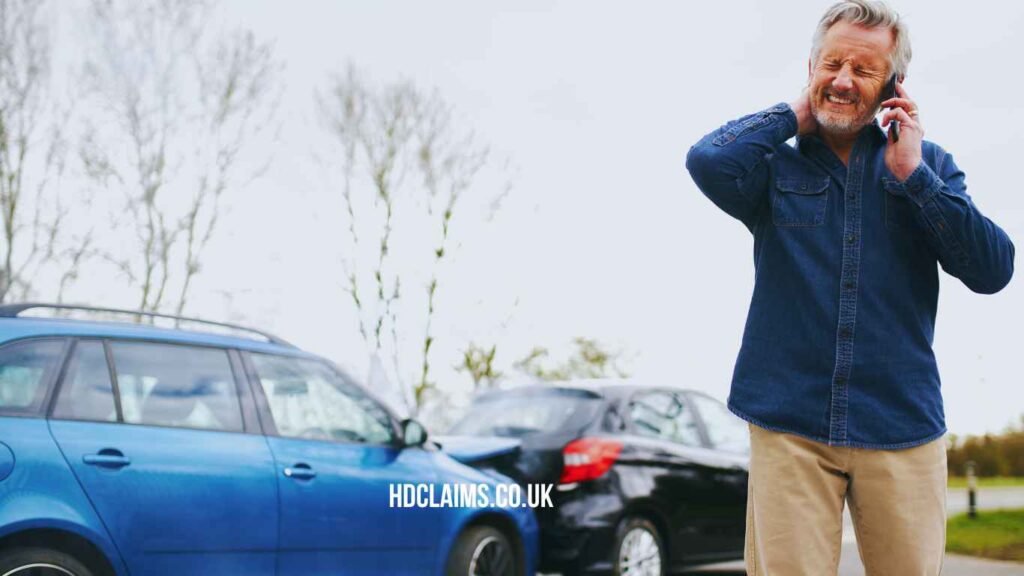
What To Do After A Car Accident? After a car accident, move to safety, check for injuries, call the police, exchange details, capture evidence, and report it to your insurer. Contact Us Sarah John’s Legal Writer 9 Essential Steps to Take Right After a Car Accident: Stay Calm & Move to Safety Check for Injuries Call the Police Exchange Details Document the Scene Take Photos & Videos Look for CCTV or Dashcam Footage Write a Short Personal Statement Notify Your Insurance Provider In this article, we’ll talk about what to do in a car accident and walk you through the steps you need to follow after a car accident, helping you understand RTA claims along the way. From staying safe to gathering important details, we’ve made it simple so you’ll know exactly what to do, no matter what kind of accident you’re dealing with. Being prepared can help you handle the situation better and keep things from getting worse. Table of Contents Get In Touch With Your Local Office: With local knowledge and a national network of experts, we have the experience you can count on. Contact Us Relevant Topics: Road Traffic Accident Accidents In Public Accident at Work Medical Negligence Claims Serious Injury Claims Asbestos Claims Motorcycle Accident Claims Taxi Accident Claims Slip Trip And Fall Claims Compensation Calculator Whiplash Claims Essential Steps To Take Immediately After A Car Accident Stay Calm And Bring Your Vehicle To A Safe Stop: What’s the first thing you must do if you have a collision – stay calm. If you can, safely pull over to the side of the road so you’re not blocking traffic. Turn off your engine and make sure your hazard lights are on. This will help make you visible to other drivers, keeping everyone safer. It’s important to remember that stopping is not just about safety—it’s the law. If you drive away without stopping, it can be considered a hit-and-run, and you could face serious consequences. Always take a moment to make sure everyone is safe and ready to handle the next steps. Checking for injuries at the scene: After you’ve safely stopped, the next thing to do is check for injuries—starting with yourself. Make sure you and your passengers are okay. If anyone is seriously hurt, don’t wait—call 999 for immediate help. Getting quick medical attention is important, even if you feel fine at first. Sometimes, injuries can show up later, so it’s always a good idea to see a doctor or visit a walk-in clinic just to be sure. Remember, the car can often be fixed, but your health is the most important thing. Even if you want to check your car, prioritise checking for any injuries. It’s normal to worry about your vehicle, but in the end, your health should come first. Satisfied Clients 0 K+ Dedicated Experts 0 + Client Rating 0 Compensation Recovered £ 0 + Million When and why you should contact the police after a crash? You should contact the police in certain situations to make sure everything is handled correctly. If the other driver leaves without giving their details or you suspect they don’t have insurance or might be under the influence of alcohol or drugs, call the police right away. Also, if you think the accident was caused on purpose, the police need to be involved. It’s also important to report the crash to the police within 24 hours. Failing to do so can lead to serious consequences, such as fines, points on your license, or even being disqualified from driving. Exchange information with drivers and witnesses After an accident, it’s important to exchange details with everyone involved—other drivers, passengers, and even witnesses. You are legally required to share your information, and the police may need it, too.Make sure you give the following details: Your name, address, and contact information Your driving license number and vehicle registration Your insurance details Also, take the same information from others involved in the accident. Even though it can be a stressful time, it’s important to stay calm and polite. Avoid placing blame or getting into arguments. This will help keep the situation from getting worse. What to record at the accident scene for your protection? After a car accident, it’s important to keep a detailed record of everything that happened. This will help protect you and make the process easier if you need to make a claim or report the accident. First, make sure you exchange what details to take in car accident with everyone involved, such as names, addresses, and insurance information. Don’t forget to ask for witness details as well.You should also record: The time and date of the crash The make, model, colour, and number plate of the vehicles The driving conditions, including weather and road quality Damage to your car and where it happened Any injuries to people involved Witness names and contact info Receipts for any alternative transport if you can’t drive your car Taking photos of the cars, damage, and the scene is also crucial. If you’re dealing with a parked car or no one else is around, leave a note with your details. This is important car accident help for your protection. Capturing photo and video evidence at the crash site: After an accident, taking photos and videos is important for recording what happened. Start by capturing the damage to vehicles or nearby property, like bikes or fences. Make sure to film your car’s overall condition, including any damage that was already there before the crash. Take shots of the accident scene to show where it occurred, and look for any evidence, like tyre marks or skid marks, that explains what happened. These can be crucial for your claim or legal protection. Look for CCTV footage to support your car accident claim After an accident, check if there are any CCTV cameras nearby, like those from shops or public places. Dash cam footage from your own car or footage from bystanders can
What Is The Depreciation Value After My Car Was Involved In An Accident?

What Is The Depreciation Value After My Car Was Involved In An Accident? Contact Us Sarah John’s Legal Writer You might be surprised to find out that after your car has been in an accident, its value decreases significantly. This drop in value, known as depreciation, is one of the hidden costs that can occur as a result of an accident. The exact amount varies based on several factors, like your car’s make, model, age, and the severity of the accident. If you were injured in the accident and want to make personal injury claims Scotland, then contact us; we have a panel of expert Solicitors who are ready to assist you. Table of Contents Get In Touch With Your Local Office: With local knowledge and a national network of experts, we have the experience you can count on. Contact Us Relevant Topics: Road Traffic Accident Accidents In Public Accident at Work Medical Negligence Claims Serious Injury Claims Asbestos Claims Motorcycle Accident Claims Taxi Accident Claims Slip Trip And Fall Claims Compensation Calculator Whiplash Claims Is My Car Worth Less After An Accident And Can I Claim? Yes, your car is typically valued less after an accident. This is due to something called ‘diminished value.’ When a vehicle is damaged in an accident, even after the repairs, it’s value would be less than a similar car that has no accident history. In Scotland, it’s indeed possible for you to make a claim for this depreciation after a car accident. However, the rules and processes can be complex, so getting legal advice from a personal injury claim expert is the best choice. Satisfied Clients 0 K+ Dedicated Experts 0 + Client Rating 0 Compensation Recovered £ 0 + Million What Is Depreciation? Depreciation is the difference between the value of your car before the accident and its value after the repairs. This value loss happens because potential buyers or dealers are likely to pay less for a car that’s been in an accident compared to one with a clean history. What Counts As An Accident? An accident is any event that causes physical damage to your vehicle. This can range from a minor bump to a major collision. Even small things like parking lot dings or scrapes can count as an accident if they result in damage to the car. DEDICATED CLAIMS ADVISORS Our dedicated claims advisors are always available to offer free legal advice. 100% NO WIN NO FEE CLAIMS All our claims are processed on a No Win No Fee basis; you pay nothing if you lose. MILLIONS SECURED IN DAMAGES To date, we have secured millions in damages. THOUSANDS OF SATISFIED CLIENTS To date, we have helped thousands of clients recover compensation and continue to do so. What Is The Depreciation Policy For Vehicles? In Scotland, depreciation policies for vehicles can vary greatly depending on the insurance company and the specifics of your policy. Some insurers might provide cover for depreciation following an accident, but this is not always the case. It’s important that you read your policy thoroughly to understand what’s included and what isn’t. What Is Diminished Value? Diminished value refers to the reduction in a vehicle’s market value after it’s been involved in an accident and repaired. It’s the financial difference between a car’s value before an accident and its value after repair. As stated earlier, in Scotland, you can claim for depreciation after car accident, though the process can be challenging. Can’t Work Due To Illness Or Injury? Use our free online claim check tool and find out in minutes if you have a claim. Check Now How Do You Fight Depreciation On A Car? There are several ways you can minimise depreciation on your car. One is maintaining your vehicle in top-notch condition. Regular servicing, careful driving, and timely repairs can help keep your car’s value up. If your car is involved in an accident, make sure that repairs are high-quality and professional. Furthermore, keep proper documentation of the repairs; this can help when it’s time to sell. How Much Less Is A Car Worth After An Accident? The amount a car devalues after an accident can range widely. It’s often estimated to be between 15% and 50% of the car’s pre-accident value. Several factors play a role, including the car’s age, its condition before the accident, the extent of the damage, and the quality of repairs. Our Personal Injury Claim Experts Can Help You! The process of claiming depreciation on a car after accident can be complex. It involves proving that your car’s value has decreased due to the accident. Our panel of expert Solicitors can help guide you through this process; they have extensive experience dealing with Car Accident Claims In Scotland. They will help you gather and present the necessary evidence in court to ensure you receive the compensation you deserve. If you are worried about legal fees, then don’t worry; our panel of No Win No Fee Solicitors Scotland can help you without a fee; you will only need to pay it if you win your case. FAQs Can you claim depreciation on your car after an accident? Yes, you can make a claim for the value loss caused by a crash in Scotland. However, unless your policy provides special coverage, you will typically make a claim with the at-fault driver’s insurer rather than your own. You must provide clear evidence and proper valuations to demonstrate the depreciation value after accident. How do you make a diminished value claim UK after your car has been repaired? Begin by having your car completely repaired, and keep all invoices and photos. Ask two or three independent valuers or dealers to confirm the drop in price, then send a written claim to the at-fault insurer with your proof. A solicitor can assist you in recovering the depreciation value of car after accident through negotiation or legal action if the at-fault party’s insurance refuses to pay. When making a claim, what evidence
Who Pays Personal Injury Claims In A Car Accident?

Who Pays Personal Injury Claims In A Car Accident? Contact Us Sarah John’s Legal Writer Car accidents can be devastating and stressful, leaving you with injuries, car damage, and medical costs. One of the most pressing issues for everyone involved in an accident is determining who will bear the costs. In Scotland, the system is set up to ensure that victims injured in vehicle accidents receive the compensation they deserve. If you’re wondering, if someone crashes into me who pays? Your vehicle accident injury claim is normally handled by the insurance company of the at-fault driver. Understanding the claims procedure and what to expect may make things much easier. Table of Contents Get In Touch With Your Local Office: With local knowledge and a national network of experts, we have the experience you can count on. Contact Us Relevant Topics: Road Traffic Accident Accidents In Public Accident at Work Medical Negligence Claims Serious Injury Claims Asbestos Claims Motorcycle Accident Claims Taxi Accident Claims Slip Trip And Fall Claims Compensation Calculator Whiplash Claims Who Pays Personal Injury Claims For Car Accidents? 1. The At-Fault Driver’s Insurance Company In most car accidents in Scotland, the insurance company of the driver who caused the accident is responsible for paying for the injuries. If the other driver is at fault and you are injured in an accident, their insurance should cover your hospital bills and any associated costs. It’s crucial to understand that the at-fault driver’s insurance (not yours) will handle the claim. 2. No-Fault Insurance Policies In Scotland, no-fault insurance plans are rare, but they do exist in some places. These policies work by allowing each driver’s insurance to cover their own injuries, regardless of who caused the collision. This can speed up and simplify the claims procedure by eliminating the need to prove who was at fault. However, no-fault insurance may not cover all costs, and you may need to get legal advice to make sure you are adequately compensated. 3. Uninsured Or Underinsured Drivers If the driver who caused your accident is uninsured or does not have adequate coverage to compensate for your injuries, things might get complicated. In Scotland, the Motor Insurers’ Bureau (MIB) can help in these situations. If the at-fault driver lacks insurance or is unavailable (such as in a hit-and-run accident), the MIB is responsible for compensating your expenses. This means you can still seek compensation even if the individual responsible does not have enough coverage. 4. Personal Injury Protection (PIP) Insurance Personal Injury Protection (PIP) insurance is common in other countries but not in Scotland. PIP, if applicable, helps compensate for medical costs and lost earnings following an accident, regardless of who caused it. While it is not included in standard UK car insurance, some people may have private health insurance that covers similar expenses. If you are in an accident and require medical assistance, it is a good idea to check your own insurance to determine what type of coverage you have. 5. The At-fault Driver’s Own Insurance If the driver who caused the collision is also injured, their own insurance may pay their medical expenses—but only if they have a more comprehensive insurance policy. For example, if Driver A collides with a tree and suffers injuries, their insurance may cover their medical expenses. If another driver was injured in that accident as well, they might make a claim against driver A’s insurance under liability coverage to cover their medical bills and other losses. Satisfied Clients 0 K+ Dedicated Experts 0 + Client Rating 0 Compensation Recovered £ 0 + Million How Our Experts Assist with Car Crash Compensation? Dealing with injuries, car repairs, and financial struggles is a lot to handle; this is where our skilled team comes in. Our panel of solicitors specialise in helping clients with Personal Injury Claims Scotland and ensuring they receive the compensation they deserve. When you contact us, we will analyse the specifics of your accident and guide you through the claims process. If we feel your case is strong, we will connect you with expert solicitors from our panel who work on a No Win No Fee agreement. This means there is no financial risk for you—if we don’t win your case, you won’t have to pay anything. Our team handles everything, from evidence collection to insurance negotiations. If the other driver is uninsured or cannot be traced, we can help you make a claim with the Motor Insurers’ Bureau (MIB). Our goal is clear: to ease your concerns and advocate for the compensation you deserve, allowing you to concentrate on your recovery and rehabilitation. Step-by-Step Guide To The Car Crash Injury Claims Process Seek Medical Treatment: Your health should be your first priority – see a doctor as soon as possible. This helps both in your recovery process and provides crucial documentation of your injuries to support your claim. Contact Your Insurer: Report the collision to your insurer within 24 hours (even if you don’t intend to claim) and exchange details with the other driver. Report The Accident To At-Fault Driver’s Insurance: Contact the at-fault driver’s insurance carrier. This involves providing essential documents like the police report, testimonies from witnesses, and medical records. Your solicitor will make sure that everything is in order and submitted properly. Negotiate A Settlement: Most claims are settled out of court; your solicitor will try to ensure that the compensation includes all of your expenses, including medical bills, missed earnings, and future recovery costs. Legal Action, If Necessary: If the insurance offer does not match your requirements, you may decide to pursue legal action. To ensure you are fairly compensated, your legal team will guide you through the necessary steps, helping you understand the procedure. DEDICATED CLAIMS ADVISORS Our dedicated claims advisors are always available to offer free legal advice. 100% NO WIN NO FEE CLAIMS All our claims are processed on a No Win No Fee basis; you pay nothing if you lose. MILLIONS SECURED IN DAMAGES To date,
Can I Claim Personal Injury If The Accident Was My Fault?

Can I Claim Personal Injury If The Accident Was My Fault? Contact Us Sarah John’s Legal Writer Accidents happen quickly, and in the heat of the moment, it is common to think you were the only one to blame. Many people replay the moment and say If only I had. If you are unsure who caused the accident, a quick chat with a Scottish solicitor can help. To claim compensation in Scotland, you need to show that someone else was negligent. If the accident was entirely your fault, a claim is unlikely to succeed. If you were only partly at fault, you may still claim. This is called contributory negligence or split liability. 50 50 split liability compensation claims are a common example. Shared fault often arises after a road traffic accident or at work. Each person’s share of blame reduces their compensation payout by the same percentage. Evidence and clear advice make a real difference. We can guide you on personal injury claims in Scotland and explain your options. If you think you may share some blame, get advice before accepting liability; avoiding admission of guilt on the scene is important. Table of Contents Get In Touch With Your Local Office: With local knowledge and a national network of experts, we have the experience you can count on. Contact Us Relevant Topics: Road Traffic Accident Accidents In Public Accident at Work Medical Negligence Claims Serious Injury Claims Asbestos Claims Motorcycle Accident Claims Taxi Accident Claims Slip Trip And Fall Claims Compensation Calculator Whiplash Claims What Is Classed As Split Liability? Under Scottish law, split liability applies when both sides share blame for an accident. Each person who makes a successful claim will receive compensation reduced in proportion to their share of fault. The more you are to blame, the more your compensation is reduced. Split liability often comes up after car crashes in Scotland. You might be partly at fault if you were driving too fast, failed to signal properly, or pulled out without looking. These facts can still allow a personal injury claim. The split is worked out in percentages. If it is a 50 50 split, and the case is valued at £20,000, each side receives £10,000. That reflects equal blame. You can still claim if you are only partly at fault. If you are 40 per cent to blame and the other driver is 60 per cent, your award is reduced by 40 per cent. You would still recover the remaining share of the compensation. Working out blame can be complex. A solicitor can review the evidence and help agree on a fair split liability agreement. Get advice before you accept fault or turn down an offer. How Is Liability Determined After An Accident? In Scotland, liability is usually agreed between your solicitor and the insurance company after they review the facts. If no agreement can be reached, the court will decide the fair split of responsibility. This protects your rights when you are claiming compensation. Your solicitor gathers evidence to support the claim process. They will look at witness accounts, CCTV, dash cams, damage patterns, road layout, and medical records. This helps show who did what in the accident and why. Some patterns point to a shared fault. Some common examples include pulling out from a side road without checking, turning right while another car is overtaking, giving a misleading signal, sudden braking that causes a rear-end crash, or driving at excessive speed. Not wearing a seat belt or getting into a car with an impaired driver can also count against you. If both sides share blame, you may have a split liability claim, and the percentages can affect insurance payouts. The court or the parties involved will set percentages to match the fault. Your award is then reduced according to your share of fault. You can still recover compensation even if you were partly responsible for the accident. Being only slightly at fault does not prevent you from making a claim in Scotland. A quick chat with a solicitor can show what evidence you need and what outcome is realistic. Satisfied Clients 0 K+ Dedicated Experts 0 + Client Rating 0 Compensation Recovered £ 0 + Million What Counts As A Non-Fault Or Partly Fault Accident? In Scotland, a non-fault accident is one where you were injured and another person is to blame. To make a compensation claim, you must show legal fault by someone else. The facts need to support that conclusion. There is no such thing as an automatic right to claim damages. You must prove the other person owed you a duty of care and breached it, causing your injuries and damages. Sometimes you are not to blame, but there is not enough proof against anyone else. A partly fault accident is usually dealt with as split liability. Each side receives compensation that reflects its share of blame. If fault is set at fifty-fifty on a case with a value of £7,000, the claimant would get £3,500. This often happens after car crashes. Speeding, failing to signal, or pulling out without proper observation can lead to shared blame. The same applies to many whiplash claims after a rear-end impact. So, if you are asking, can I claim personal injury if the accident was my fault uk? Yes! You can claim if another person also breached their duty of care and contributed to the harm. However, you cannot claim if you alone caused the accident. If you are unsure, please contact us so that our panel of personal injury solicitors can advise you on your situation. Making a personal injury claim without solicitors is also an option, but the rules and evidence requirements are complicated. When you are hurt and recovering from an accident, it can be hard to deal with them without legal help. Can I Still Claim If I Was Only Partly To Blame? Yes, you can if another person bears some of the blame. Many people wonder, can
When Is a Rear-End Collision Not Your Fault?
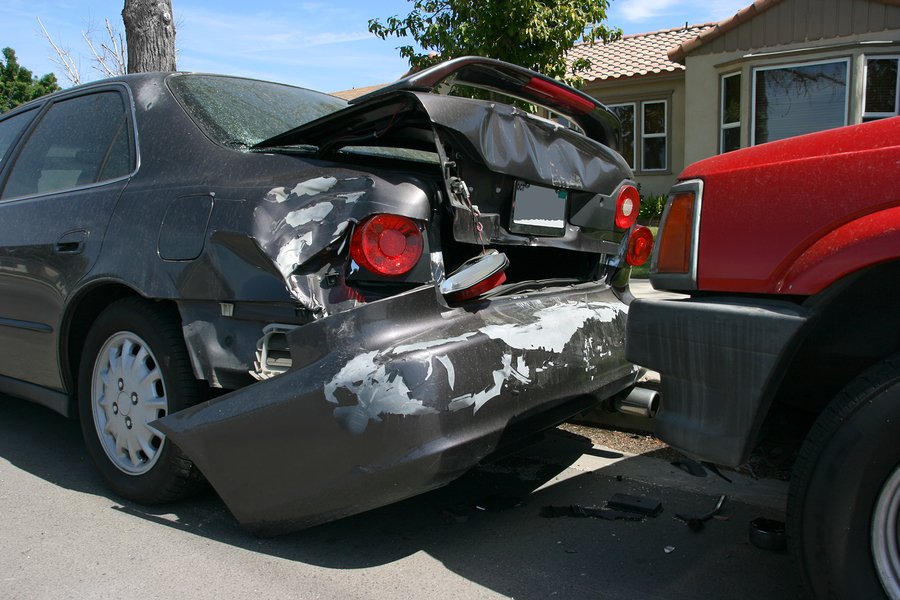
When Is A Rear End Collision Not Your Fault? Contact Us Sarah John’s Legal Writer Usually, the driver who hits the other car from behind is at fault. However, if the driver in front suddenly stops in the middle of the road without a valid reason, and your car hits them from behind, they could be held responsible for the accident. Nevertheless, the car accident hit from behind settlement is impossible to predict beforehand. In case of an accident, Hamilton Douglas Legal panel of solicitors can help you make a claim. Table of Contents Get In Touch With Your Local Office: With local knowledge and a national network of experts, we have the experience you can count on. Contact Us Relevant Topics: Road Traffic Accident Accidents In Public Accident at Work Medical Negligence Claims Serious Injury Claims Asbestos Claims Motorcycle Accident Claims Taxi Accident Claims Slip Trip And Fall Claims Compensation Calculator Whiplash Claims How Can I Prove That I Am Not At Fault In A Car Accident? If you’ve been involved in a rear-end car crash and want to prove you weren’t at fault, it’s important to understand the fault determination process used to decide liability. Generally speaking, the driver who fails to keep a safe stopping distance is often held liable. However, there are several other factors that may influence how fault is determined in a car accident. The first step in proving that you are not at fault in a car accident (and reducing the risk of insurance disputes) is to gather evidence from the scene of the crash. This can include photos of the damage done to your vehicle and any debris from either party’s cars. Additionally, it may be possible to obtain eyewitness accounts from anyone who witnessed what happened leading up to and immediately after the crash. Who Is At Fault In A Rear-End Collision? When Is A Rear-end Collision Not Your Fault? When it comes to a car rear end crash, determining who is at fault can be complicated and confusing. Such accidents often occur in heavy traffic due to one driver not keeping a safe distance from the vehicle ahead. So who is liable when such an accident occurs? In most cases, the car that hits you from behind is held responsible for any resulting damages or injuries. This is because drivers are expected to keep a safe distance from other vehicles on the road and anticipate sudden stops in traffic. The driver of the rear car must pay for any damage caused by their failure to maintain an appropriate following distance. However, if both cars were travelling at excessive speeds or if either driver was distracted while operating their vehicles, liability may be shared between both parties. What Is A Rear End Shunt Collision? A rear-end car crash is a common type of car accident that occurs when one vehicle strikes the back of another vehicle. This type of rear-ender can cause significant damage to both cars and can lead to serious injuries for those involved. Rear-end collisions are usually caused by an inattentive or distracted driver who isn’t paying attention to the road ahead or reacts too late when they see another car stopped in front of them. With its beautiful landscapes and ever-changing weather, Scotland presents drivers with unique challenges. The weather can change rapidly, with a bright, sunny day transforming into heavy rain. This can reduce visibility and make the roads slippery, increasing the risk of rear-end collisions. In cities such as Glasgow, rear-end collisions are common due to heavy traffic, sudden pedestrian stops, and braking at traffic signals. The busy city roads, lined with historic buildings and filled with pedestrians, require that drivers maintain a safe distance between their vehicles and the vehicle in front of them. Injuries sustained during a rear ended car collision can range from minor soft tissue damage, such as whiplash, to more severe lacerations and fractures resulting from impact with the windshield or dashboard. Regardless of the severity of the crash, individuals should always seek medical attention immediately following any accidents – even if there are no visible signs of injury. A doctor will be able to assess any potential damage and provide appropriate treatments if necessary. Satisfied Clients 0 K+ Dedicated Experts 0 + Client Rating 0 Compensation Recovered £ 0 + Million Common Factors: If You Are Rear Ended, Who’s At Fault If you’ve been involved in a rear-end collision in Scotland, you may be wondering who is at fault. This can be a difficult question to answer, but there are some common factors that will help determine the responsible party. The first factor is whether or not the driver or the car behind was paying attention to the road and maintaining a safe distance between vehicles. If it has been determined that they weren’t paying attention or were too close, then they will likely be held responsible for any damage done to your vehicle as well as any injuries you may have suffered due to the accident. Our panel of no win no fee solicitors in Scotland can help people who have been involved in rear-end collisions understand their rights and responsibilities for the damages caused by these accidents; they can also guide you if you want to cancel a claim. Who Is Liable In A Rear-end Shunt Accident? The unfortunate reality of road accidents is that they can befall anyone at any time. Rear-end shunts are a common form of car accident, and they can result in serious injury or even death. When this happens, it’s important to know who is liable for the resulting damages. A rear-end shunt occurs when one car hits another car from behind while driving. The driver in the back is usually considered liable for the accident because it is their responsibility to maintain a safe distance between cars and avoid collisions. However, there are certain circumstances that may shift blame away from them, such as if the leading vehicle suddenly brakes without
Side-impact Collision Who’s At Fault UK?
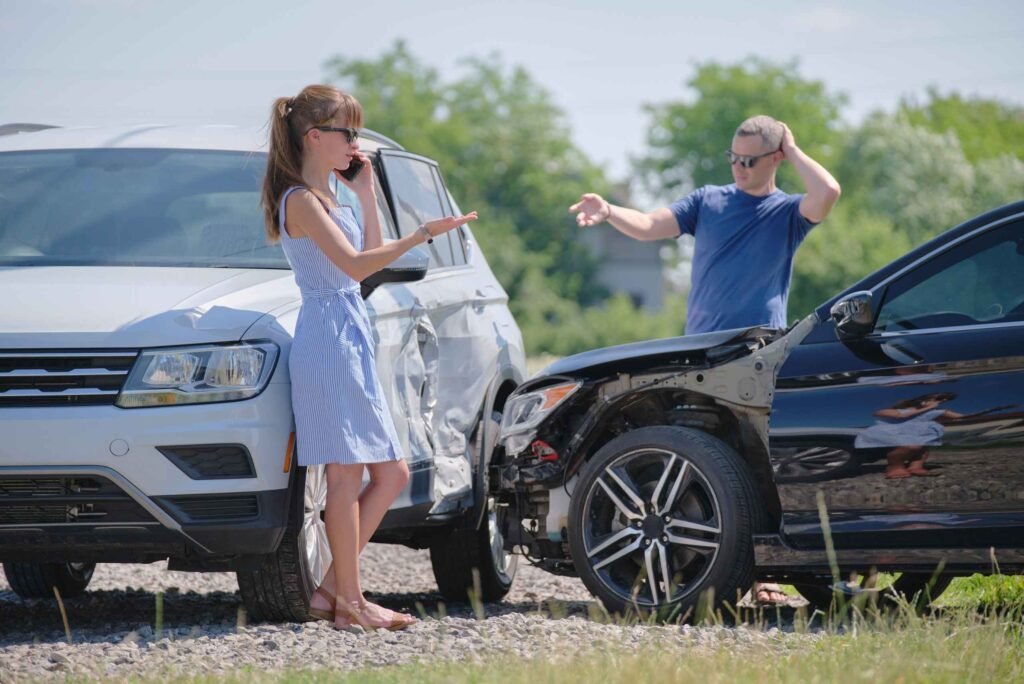
Side-Impact Collision Who’s At Fault UK? Contact Us Sarah John’s Legal Writer Side Impact Collision – Understanding Fault In The UK When the front of one car hits the side of another, it’s called a “T-bone” crash. They’re common at junctions, roundabouts, and car-park exits, especially when a driver misreads priority or rushes a light. At medium to high speeds, there’s little time to brake, so the impact can be sudden and severe. Working out the fault in the UK isn’t automatic. Liability depends on the right of way and whether either driver failed to take reasonable care. Answering what happens when a car hits you from the side means looking beyond dents to causes (speed, distraction, drink or drugs, road and weather) and gathering solid evidence: statements, photos, dashcam clips, damage patterns, and any police report. This guide starts with the basics so you can approach side impact collision claims with clarity and confidence. Table of Contents Get In Touch With Your Local Office: With local knowledge and a national network of experts, we have the experience you can count on. Contact Us Relevant Topics: Road Traffic Accident Accidents In Public Accident at Work Medical Negligence Claims Serious Injury Claims Asbestos Claims Motorcycle Accident Claims Taxi Accident Claims Slip Trip And Fall Claims Compensation Calculator Whiplash Claims Defining A Side Impact Collision And How It Happens A side-impact crash happens when one vehicle strikes another along the door panels, or when both vehicles meet flank-to-flank rather than bumper-to-bumper. You see such accidents on A-roads, motorways, junctions, during left or right turns, and in car parks. In short, it’s a side on collision where the side takes the force. How do they happen? A driver pulls out from a smaller road without giving way; a car turns across traffic; someone reverses or merges in a lane without checking mirrors. At urban and motorway speeds, reaction windows shrink, so even a brief glance away can be enough to miss something. Limited crumple zones along doors mean lateral hits bite harder. However, not every case stems from recklessness: fog, standing water, glare, or a sudden mechanical fault can all lead to an accident. Typical Causes Behind Side Impact Accidents Understanding how a side on car collision happens is the first step to working out fault in the UK. These crashes often begin with small errors that cascade into serious collisions. Mapping the cause helps insurers and courts decide who is at fault for a side impact accident. Speeding And Risky Driving Higher speeds make stopping distances longer and decision time shorter. Even if a driver spots an obstacle, there may be no time to brake or avoid. The lateral hit then carries more energy, which raises the risk of serious injury and extensive damage. Distraction At The Wheel Phones, sat-nav inputs, spilled coffee, or even lively conversations can draw a driver’s attention away from the road. This can result in missing red lights, failing to stop at a stop sign, or creeping out from a side road without checking to see if the coast is clear. Drivers reversing or pulling from bays may also fail to spot vehicles coming through. Driving Under The Influence Alcohol, drugs, and some medicines blur judgment and slow reactions. A drifting lane position or poor distance estimation can place a car in the path of crossing traffic. The result is a direct hit on doors where protection is thinner. Tailgating And Following Distance Following close leaves little time to respond when traffic slows or swerves. If the car ahead of you swerves suddenly to avoid something in the road (like a tire or a piece of wood), and you’re following too closely, you won’t have time to react. Keeping a generous time gap and adding more in rain or fog reduces these chain reactions. Road And Vehicle Factors In many loss of control scenarios, hazards such as potholes, standing water, glare, or hidden sight lines near junctions can cause a driver to lose grip or visibility in seconds, leading to accidents. Mechanical faults like brake failure or steering issues shift attention to maintenance and manufacturer responsibility. These conditions complicate the process of determining who is at fault, but they do not erase the duty to drive with care. Why Causes Matter For Fault The cause of the crash guides the type of evidence you need to collect. Photos, dashcam clips, telematics, witness details, and damage patterns help reconstruct who had the right of way and who was at fault. Clear notes taken at the scene make the side car collision claims process faster, fairer, and far less stressful. Fault In Right-Turn Side Impact Collisions Right-turn side impacts often occur when a driver crosses oncoming traffic and misjudges the gap. In the UK, the turning driver must give way to vehicles coming straight through. If that duty is ignored, fault commonly sits with the turner. Fault is not always one-sided. If the oncoming driver was speeding, jumped a light, or drove without due care, responsibility can be shared. To answer Side impact collision who’s at fault UK, gather evidence fast: signal use, light phases, dashcam or CCTV, skid marks, damage angles, and witness details. Satisfied Clients 0 K+ Dedicated Experts 0 + Client Rating 0 Compensation Recovered £ 0 + Million How Fault Is Determined In Side Impact Cases Begin With Safety And A Clear Head Secure the scene, check for injuries, and call for help. Once things are stable, note what happened while it is fresh in your mind. In the UK, decisions rest on evidence, not guesswork. What Decides Fault Establishing fault is crucial because it directly affects liability and payment for vehicle repairs, medical expenses, and any injury compensation. Investigators look first at priority and reasonable care. Who had the right of way, who looked properly, and who managed their speed? Everything else supports that picture. What The Damage Shows Damage patterns help reconstruct the sequence of events. A strike to the driver’s side
How Long Does A Personal Injury Claim Take To Settle UK?

How Long Does A Personal Injury Claim Take To Settle? Contact Us Sarah John’s Legal Writer In England and Wales, personal injury timelines are influenced by the relevant pre-action protocol or claims route, together with liability, medical evidence, and settlement negotiations. While a simple RTA might resolve in months, complex litigation can span years depending on the defendant’s response and the clarity of medical evidence. Some straightforward RTA claims can move fairly quickly. But complex cases often take much longer, especially where the injury needs time to settle, or there is a dispute about who was at fault. In most cases, the timeline comes down to a few key points: whether the other side admits liability, how soon a medical report can be obtained, and how the insurance companies deal with the evidence. For example, if the fault is accepted early and the injury is minor, a case may progress steadily. If liability is denied or the medical position is unclear, the process can drag on. That is why the right question is not just “how long does it take?” but “what needs to happen before settling your claim makes sense?” A rushed settlement offer may sound tempting when bills are building up, but settling too early can leave you under-compensated if your recovery takes longer than expected. Good personal injury solicitors will usually look at both timing and evidence before advising whether the case is ready to settle. Disclaimer: This guide focuses on personal injury laws in England and Wales. Legal processes in Scotland and Northern Ireland differ. This information is for educational purposes and does not constitute legal advice. Every case is unique; always consult a qualified solicitor regarding your specific circumstances. Contact us, and we will help you connect with an expert solicitor who can guide you on your specific situation. Table of Contents Get In Touch With Your Local Office: With local knowledge and a national network of experts, we have the experience you can count on. Contact Us Relevant Topics: Road Traffic Accident Accidents In Public Accident at Work Medical Negligence Claims Serious Injury Claims Asbestos Claims Motorcycle Accident Claims Taxi Accident Claims Slip Trip And Fall Claims Compensation Calculator Whiplash Claims The Personal Injury Claim Timeline: Step-by-Step A personal injury claim does not usually move from “accident” to “settlement” in one smooth line. In many higher-value or non-portal cases, the claim follows a formal pre-action process that usually starts with a Letter of Claim and then moves into the defendant’s liability investigation, although the exact timetable depends on the type of claim. This matters because many claimants hear “three months” and assume that means the whole case will be finished by then. It will not. That period is mainly about fault. The later stages—working out the injury evidence, valuing damages, and negotiating a settlement—often take much longer. Letter of Claim & Defendant Acknowledgement (21 Days) Once your solicitor has enough details about the accident, injuries, and allegations, they send a formal Letter of Claim to the defendant. This is the point where the legal timetable starts to become more structured. After that letter is sent, the defendant has 21 days to acknowledge receipt. This is only an acknowledgement. It does not mean they accept blame, agree with your version of events, or make a payment. It simply indicates that they have received the claim and are now on the clock. That distinction is important. A claimant may think, “They replied quickly, so this should settle soon.” But a fast acknowledgement only shows the claim has been logged properly. The real delay often comes in the next stage, when the defendant or insurer starts looking at the facts. Edit Type of personal injury claim Claim duration Road accident claims 3 to 9 months Work accident claims 5 to 10 months Medical negligence claims 12 to 36 months Industrial disease claims 12 to 18 months Accident in public 6 to 12 months MIB claims (uninsured drivers) 3 to 8 months CICA claims (criminal assault) 12 to 24 months Liability Investigation Period (Up to 3 Months) After acknowledging the claim, the defendant or insurer will usually have a set period to investigate liability and respond, but the timetable depends on the protocol or claims route that applies. This is the formal investigation window under the pre-action process for these claims. During that period, they may review accident reports, photos, CCTV, witness statements, and any early medical records that help explain what happened and how the injury was caused. If the accident circumstances are clear, this stage may be straightforward. If the fault is disputed, this is often where the case starts to slow down. For example, in a rear-end road traffic accident, liability may be admitted quite quickly. In a workplace or public liability case, the defendant may need to examine risk assessments, maintenance records, training logs, or internal accident reports before taking a position. That extra investigation can take time and may use much or all of the relevant response period. If liability is admitted within that period, the claim can move on to the next question: what is its value, and is the medical evidence complete enough to settle fairly? If liability is denied, your solicitor may need to gather more evidence and prepare for court proceedings, which can add many more months. Medical Evidence & Maximum Medical Improvement (MMI) Settling before the medical evidence gives a clear picture of your recovery can be a significant risk. If you settle for a ‘whiplash’ valuation but later require spinal surgery, you cannot reopen the claim. We prioritise prognosis over speed, so the claim can be valued with your likely future care and injuries properly in mind. That is where Maximum Medical Improvement, or MMI, comes in. MMI does not mean you are completely better. It means your condition has improved as much as doctors expect, or has become stable enough for the long-term effects to be understood properly. Until that point, it is very hard
Soft Tissue Injury Compensation Calculator UK
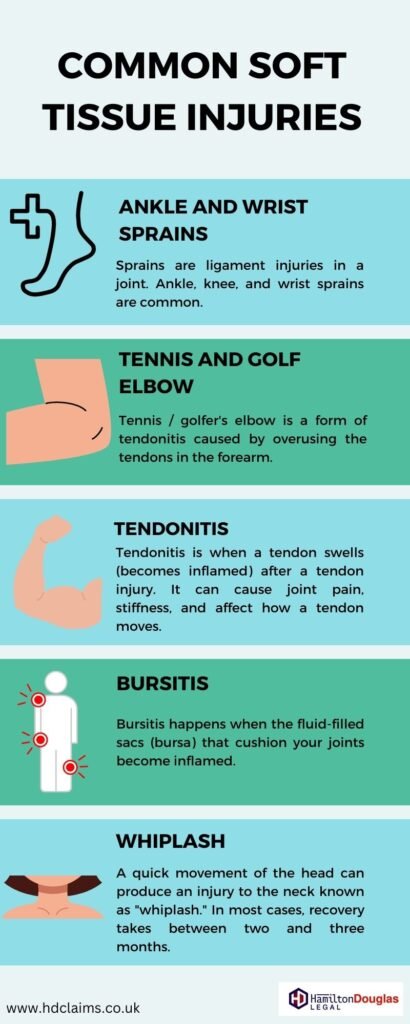
Soft Tissue Injury Compensation Calculator UK Contact Us Sarah John’s Legal Writer Soft tissue injury compensation calculators will help you estimate how much compensation you may be entitled to if you have been injured in the UK. To use a calculator, input your personal information, describe your injury, and enter the amount of money you’ve already spent on medical expenditures and loss of earnings due to your accident. The tool will then estimate how much compensation you might receive in serious injury claims. It is crucial to note that the calculator is only an estimate, and actually, how much compensation for soft tissue injury you receive will depend on the specific circumstances of your case. Read on to learn more about soft tissue injury compensation. Table of Contents Get In Touch With Your Local Office: With local knowledge and a national network of experts, we have the experience you can count on. Contact Us Relevant Topics: Road Traffic Accident Accidents In Public Accident at Work Medical Negligence Claims Serious Injury Claims Asbestos Claims Motorcycle Accident Claims Taxi Accident Claims Slip Trip And Fall Claims Compensation Calculator Whiplash Claims What Are The Causes Of Soft Tissue Injuries You can have soft tissue injuries due to various reasons. Accidents such as slips, trips, and falls are common causes, and they can strain or tear muscles, ligaments, and tendons. Vehicle accidents and other forms of trauma can result in soft tissue injuries due to the sudden impact on the body. These injuries can vary in severity; some might only take a week or two to recover, while others might take months or even years. You may ask, Can Soft Tissue Damage Be Permanent? The answer is yes; they can be permanent if you do not provide adequate treatment and care at the start. Soft Tissue Injury Compensation Calculator Edit Injury Notes Damages Multiple soft tissue injuries + special damages Serious soft-tissue injuries plus additional financial losses such as treatment costs, lost earnings, and paid care/support. Up to £150,000+ Back injuries Severe (iii): A back soft-tissue injury that develops into long-term/chronic problems, with ongoing disability despite treatment. £47,320 to £85,100. Back injuries Moderate (ii): A back soft-tissue injury that significantly worsens or speeds up an existing condition over a prolonged period. £15,260 to £33,880. Ankle injuries Very severe: A transmalleolar ankle fracture alongside substantial damage to surrounding soft tissues. £61,090 to £85,070. Neck injuries Severe (iii): Major neck soft-tissue damage, sometimes involving tendon rupture, with lasting/chronic symptoms. £55,500 to £68,330. Neck injuries Moderate (i): Combined soft-tissue injuries affecting both the neck and the back. £30,500 to £46,970. Hand injuries Moderate: Hand trauma, including crush-type injuries, penetrating injuries, and other soft-tissue damage. £6,910 to £16,200. Shoulder injuries Moderate: Shoulder soft-tissue injury with lasting, noticeable symptoms after two years. £9,630 to £15,580. Wrist injuries A wrist soft-tissue injury that takes longer than 12 months to recover. £7,420 to £12,630 Possible Causes Of Soft Tissue Injury: Soft tissue injuries can happen because of many different reasons in the UK; Some of the most common reasons are as follows. Workplace Accidents: Workplace accidents are a common cause of soft tissue injuries in the UK. These accidents can happen in a wide range of workplaces and businesses and affect people of all ages and jobs. One of the main reasons soft tissue injuries happen at work is how people lift and move heavy items. When employees don’t know how to lift or carry things correctly, it can put too much pressure on their muscles and cause them to strain or sprain. Another thing that can cause soft tissue injuries at work is repetitive tasks. Jobs involving doing the same thing over and over again, like typing on a computer or working on an assembly line, can lead to overuse injuries in the muscles and tendons. This can cause problems like carpal tunnel syndrome or arthritis over time. Slips, trips, and falls at work are common causes of soft tissue injuries. Wet or uneven floors, cluttered walks, or workspaces that aren’t looked after well can make someone more likely to fall and hurt their muscles, tendons, or ligaments. Due to the physical nature of some jobs and businesses, there is a higher risk of soft tissue injuries. Because of how hard their jobs are, construction workers, warehouse workers, healthcare workers, and manual labourers are more likely to get these kinds of injuries. If you have suffered a soft tissue injury in a workplace accident, then you may be eligible to make accident claims. However, if you want to make a claim, then take note of the time limits for making accident claims. The time limit in the UK is usually three years from the date of the accident. Sports Accidents: In the UK, sports accidents are also a common cause of soft tissue injuries. When people do sports or other physical activities, they might accidentally push themselves too hard or collide with other people. These things can cause their muscles and joints to get strained or sprained. There are many sports where crashes can happen, like football, rugby, tennis, and running. During these activities, sudden movements, falls, or impacts can put a lot of stress on the body’s soft tissues, which can lead to injuries. It’s important to warm up before physical activities and to wear the proper protection gear, like helmets or pads, to avoid soft tissue injuries from sports. If you get a soft-tissue injury while playing sports, you must stop immediately and allow the affected area to rest. Putting ice on and applying pressure can also help reduce the pain and swelling. If the injury is severe or doesn’t get better with treatment at home, see a doctor for an accurate diagnosis and treatment plan. Whiplash: Whiplash is a common injury in the UK that often happens in car crashes. It occurs when the head quickly jerks forward and backwards, putting stress on the muscles and ligaments in the neck. This sudden movement can hurt soft
What Is The Drink Drive Limit In Scotland?
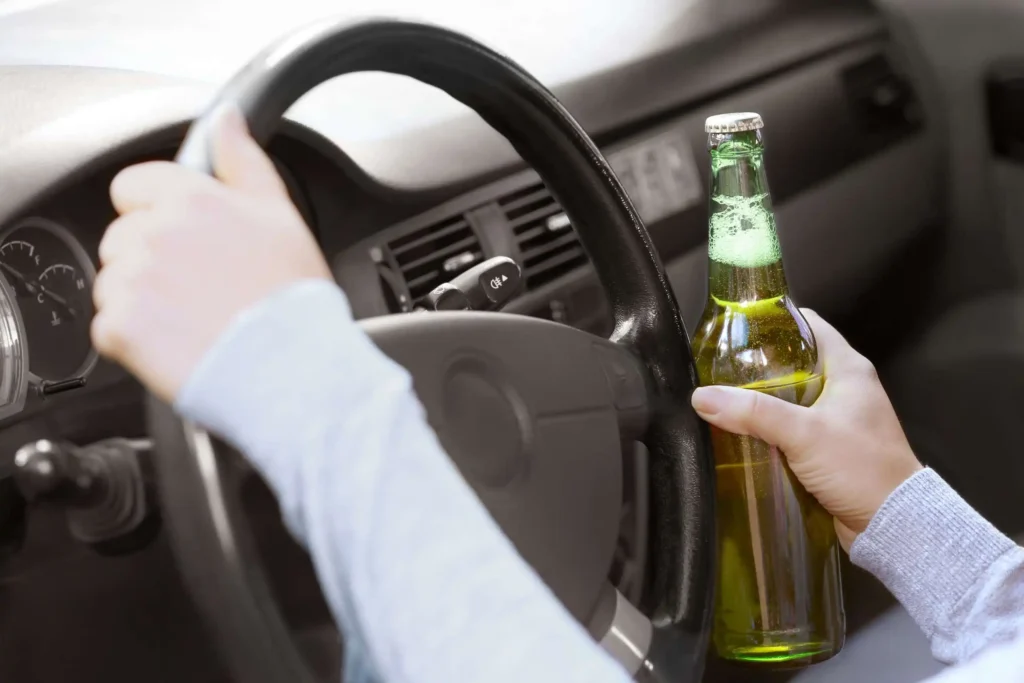
What Is the Drink-Drive Limit in Scotland? Contact Us Sarah John’s Legal Writer Current Drink Drive Limit In Scotland: The maximum legal limit for driving in Scotland is 22 micrograms (mcg) of alcohol per 100 millilitres (ml) of breath or 50mg/100ml of blood. The Breath Limit: 22 microgrammes (mcg) of alcohol per 100 millilitres (ml) of breath The Blood Limit: 50 milligrams (mg) of alcohol per 100 millilitres of blood The Urine Limit: 67 milligrams of alcohol per 100 millilitres in urine. Drivers who exceed these limits can face serious repercussions, including disqualification from driving, fines, and even imprisonment. In addition, anyone injured due to an accident caused by someone over this legal limit may have grounds to make personal injury claims scotland against responsible parties. Table of Contents Get In Touch With Your Local Office: With local knowledge and a national network of experts, we have the experience you can count on. Contact Us Relevant Topics: Road Traffic Accident Accidents In Public Accident at Work Medical Negligence Claims Serious Injury Claims Asbestos Claims Motorcycle Accident Claims Taxi Accident Claims Slip Trip And Fall Claims Compensation Calculator Whiplash Claims How Much Can You Drink When Driving? In Scotland, the rules regarding alcohol and driving are clear and very strict. According to the legislation, the legal limit for alcohol Scotland is 50 milligrams of alcohol in every 100 millilitres of blood, 22 microgrammes (mcg) of alcohol in 100 ml of breath, or 67 milligrams (mg) in 100 ml of urine. To put it in context, this is lower than the rest of the United Kingdom. Nonetheless, even these specific numbers might not clearly show how much you can drink before driving. Numerous factors can affect how much alcohol you can consume before reaching the Limit, such as your weight, age, sex, and how quickly your body metabolises alcohol. You can get an estimate using a Scottish drink drive limit calculator. Remember, these figures are upper limits, not targets, as even small amounts of alcohol can impair your ability to drive. Therefore, the best and most professional advice we can offer is straightforward: If you plan to drive, don’t drink; If you drink, don’t drive. It’s always better to arrange for a designated driver, use a taxi, or utilise public transportation. For the sake of your safety, the safety of your passengers, and the safety of others on the road, the message is clear: Zero alcohol is the only sure way to avoid the risk of drunk driving. It’s also the only certain way to avoid potentially severe legal consequences. Free Claim Check Request A Callback Call: 0141 280 1112 What Happens If You’re Convicted Of Drink-Driving? If authorities convict you of drunk driving in Scotland, you will face serious penalties, reflecting the grave danger such behaviour poses to yourself and others on the road. Firstly, you will receive a criminal record, which can affect numerous aspects of your life, including your employment prospects and your ability to travel to certain countries. In terms of direct legal consequences, you will face an immediate driving ban. The length of this ban can vary; however, it will typically be for at least 12 months. The minimum ban extends to three years if you commit the offence more than once within ten years. A hefty fine also applies, potentially reaching up to £5,000. In extreme cases, you may even face imprisonment; this can be up to six months for a standard offence. However, the sentence can extend to 14 years for causing death by negligent driving when under the influence of alcohol. On top of these legal penalties, you will also face practical implications. Your car insurance costs are likely to increase significantly, and some insurers may refuse to cover you at all. Furthermore, after your ban, you may need to pass the extended driving test, a more rigorous version of the standard driving test, before you can get back on the road. The court decides this requirement on a case-by-case basis. Lastly, the social stigma associated with drunk driving can have a profound impact. The damage to your reputation in your local community can be extensive and long-lasting. Given these serious potential consequences, the message remains clear: don’t drink and drive. If you are injured or affected by a drink-driving accident, consulting personal injury solicitors Scotland may help you understand your rights and pursue appropriate compensation. What Are The Consequences Of Refusing A Breath Test Scotland? When stopped by police and asked to take a breath test, refusing can have serious legal repercussions. Refusing can be considered an offence and lead to immediate arrest regardless of your actual intoxication level. Depending on where they found you, police might require blood or urine samples from you so they can determine if you exceed the legal alcohol driving limit Scotland. Refusing without providing an acceptable explanation, such as medical reasons, can have severe repercussions – fines, license suspension, and jail time. Therefore, it is crucial that individuals recognise that refusing a breath test without providing valid reasons will be treated seriously by authorities; cooperation with police is always advised. What Are Scotland’s Drink-Drive Limits For Beer And Wine Ahead Of The Christmas Party Season As the Christmas party season approaches, knowing Scotland’s drink-drive limits for beer and wine is important. In Scotland, the amount of alcohol one can drink before driving depends on age, weight, and the type of alcohol consumed. It is illegal to drive with 22 micrograms of alcohol per 100 millilitres of breath or 50mg per 100ml in blood (it’s the drink drive limit). Although there is no specific figure for how much one can safely consume when out drinking, Scottish government guidelines advise against driving after consuming alcohol, including beer and wine, at all. The Law Around The Drink Drive Limit In The Rest Of The UK In England and Wales, it is illegal to drive a car if your blood alcohol level (BAC) is above 0.08% (or 80mg per 100ml